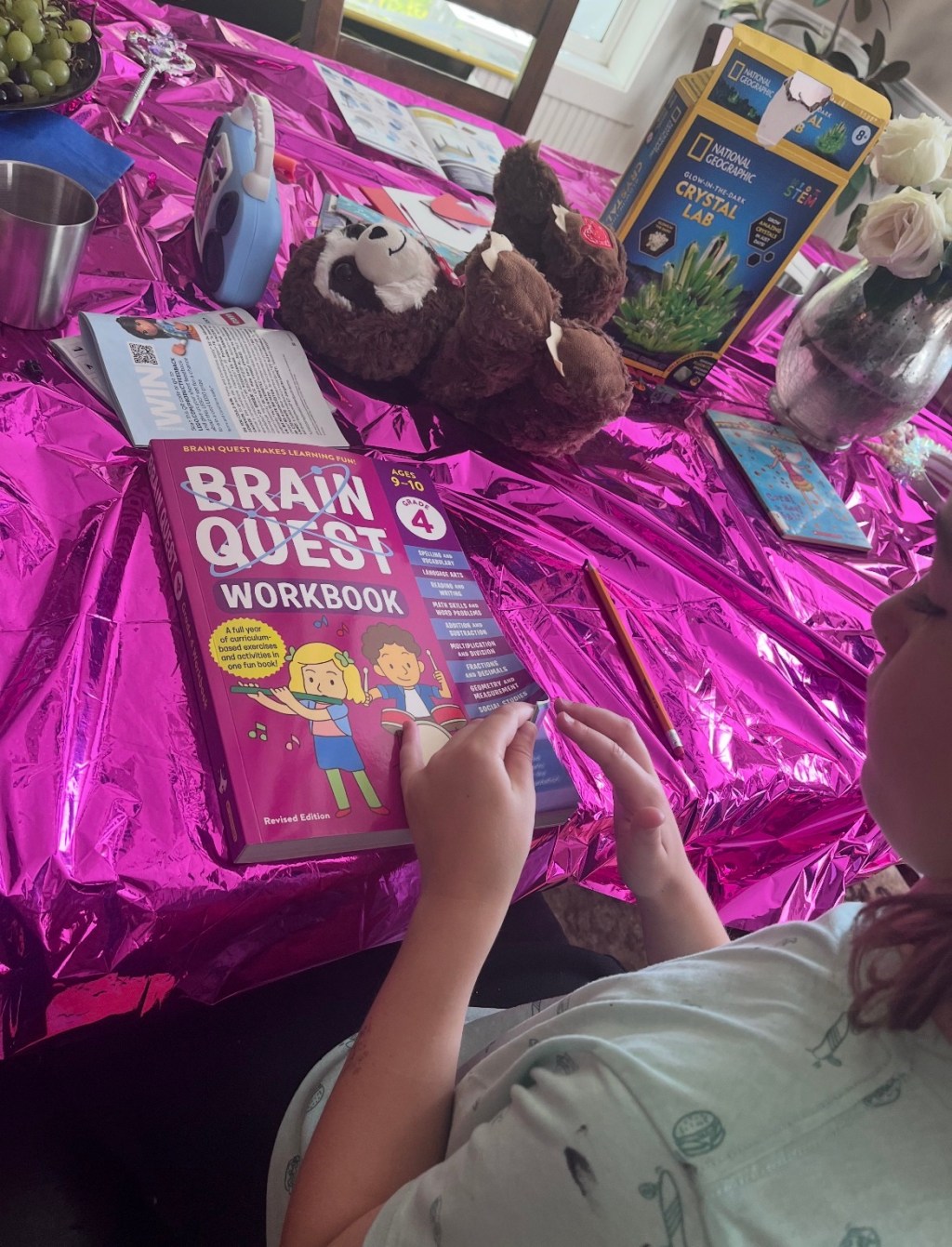
This summer I bought workbooks for my children.
Not because we follow a traditional curriculum, but because I enjoy seeing what skills they have mastered and where they might need more support. They can also be a fun way to spark new interests.
My nine-year-old eagerly flipped through his fourth-grade workbook.
A few pages in, he looked up.
“Not enough history.”
I laughed.
“What do you mean?”
“There’s only like thirteen pages. I’d like to see far more history. The science could use a lot more too. The math looks alright. The reading and writing are boring because I can already do all that. Can you get me something harder and more interesting?”
This is one of my favorite examples of what learning can look like when curiosity is allowed to lead.
People often hear the word “unschooling” and imagine children running wild without structure, academics, or direction. In reality, our family spends a tremendous amount of time learning. It just doesn’t always happen through worksheets.
One of my favorite learning adventures started years ago when my children were only one, three, and five years old.
We attended a Civil War reenactment.
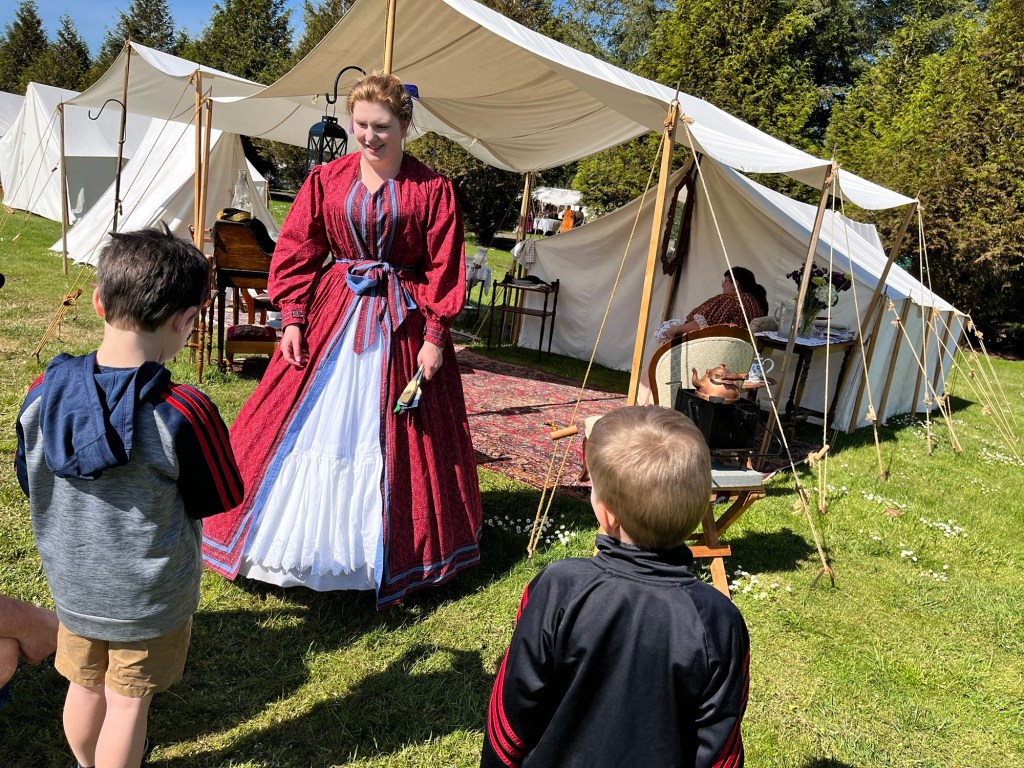
We arrived early and, for a brief moment, were nearly the only visitors there. The volunteers had time to truly engage with the children.
A woman in a hoop skirt taught my son how to duel with cork guns.
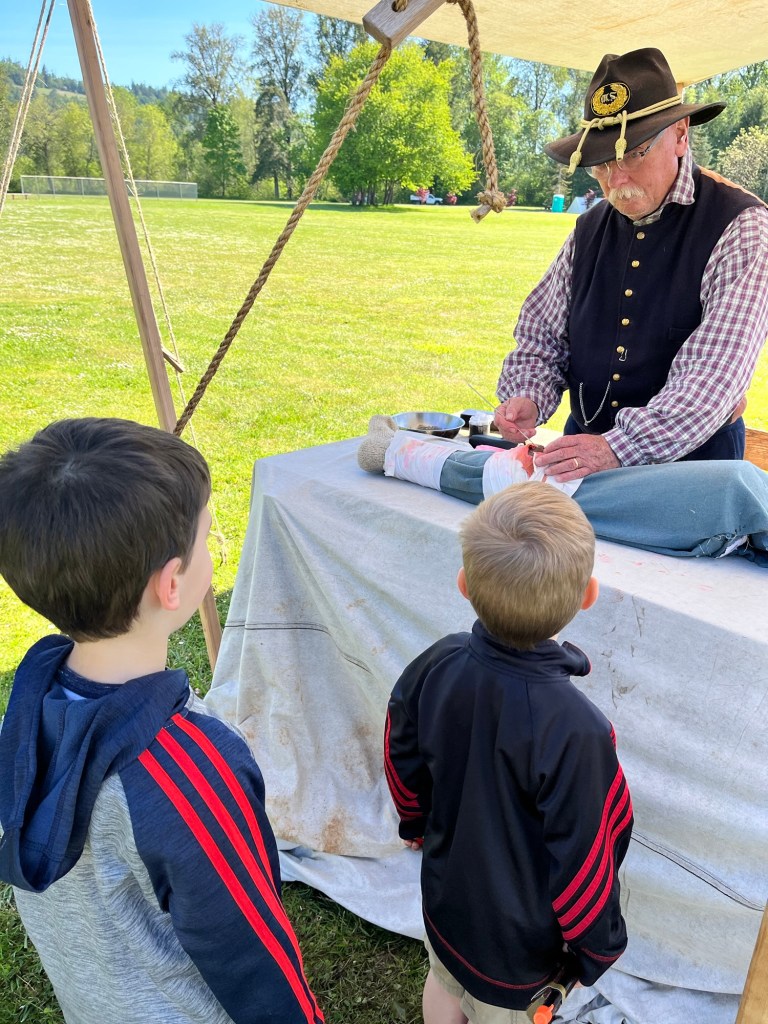
An army medic explained battlefield injuries and even let the children examine a model showing how bullets were removed from wounds.
My husband practiced using a bayonet on a straw “soldier.”
The opening parade was loud, dramatic, exciting, and just a little frightening.
The experience captured their imagination.
For months afterward, learning seemed to unfold naturally.
We read books about the Civil War.
We learned about presidents from that era.
That led us to discussions about the presidents on our currency.
Which led to counting money.
Which led to collecting state and national park quarters.
Which led to geography.
History became math. Math became geography. Geography became family adventures.
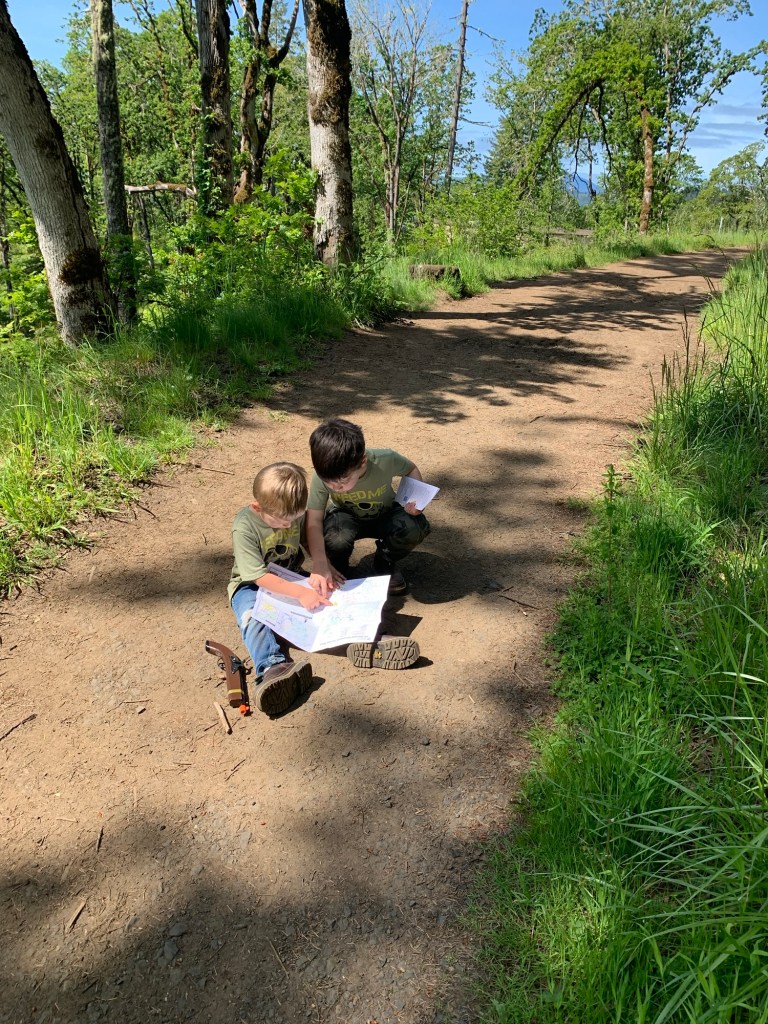
No one assigned a worksheet. Neither of them could actually read yet.
Yet learning was happening everywhere.
I still smile when I remember my three-year-old son charging around on a hike with a stick yelling, “The slaves are coming!”
Historically inaccurate? Absolutely.
Evidence that he was trying to make sense of a complicated period in history? Also yes.
That, to me, is the beauty of interest-led learning.
Unschooling does not mean uneducated.
It does not mean hands-off parenting.
It does not mean children simply do whatever they want.
It requires observation, creativity, participation, and trust. It means paying attention to sparks of interest and helping those sparks grow into something larger.
The goal is not to complete a workbook.
The goal is to raise children who see learning as something exciting, meaningful, and worth pursuing long after childhood ends.
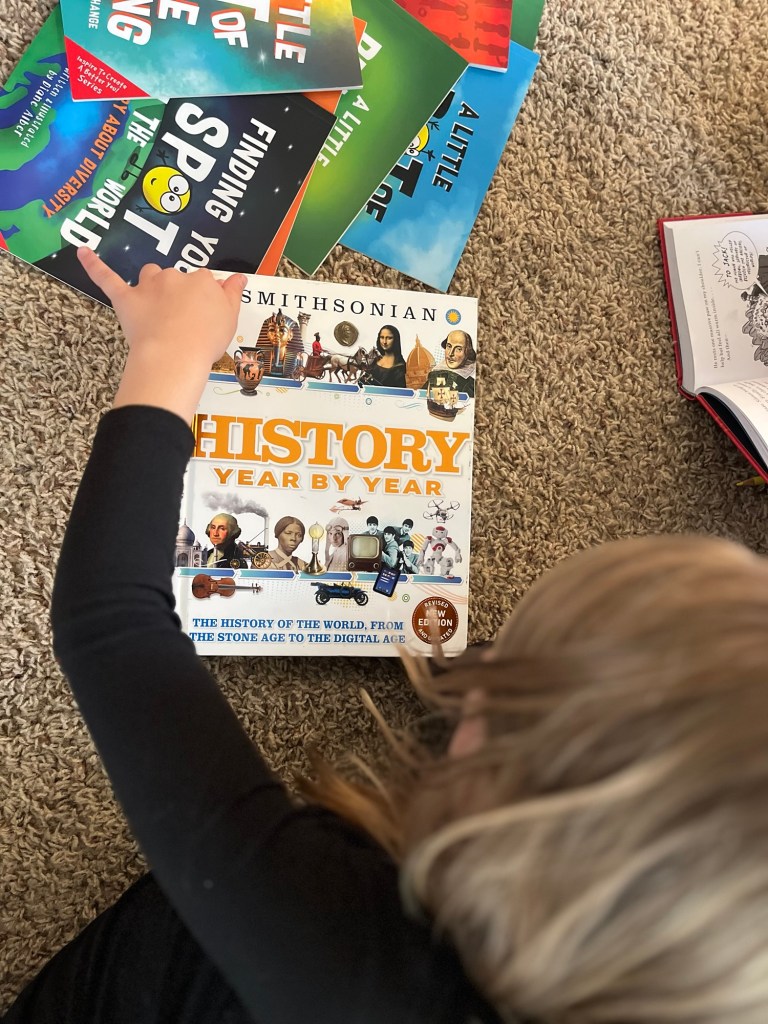
And judging by my son’s complaint that his workbook needed more history, I’d say we’re heading in the right direction.
If there’s one thing our family has learned, it’s this: curiosity is worth trusting.
So whatever your child is interested in right now—birds, bugs, painting, science, baking, dinosaurs, or something you’ve never even considered—lean in.
Follow the questions.
You might be surprised where they lead.


Leave a Reply