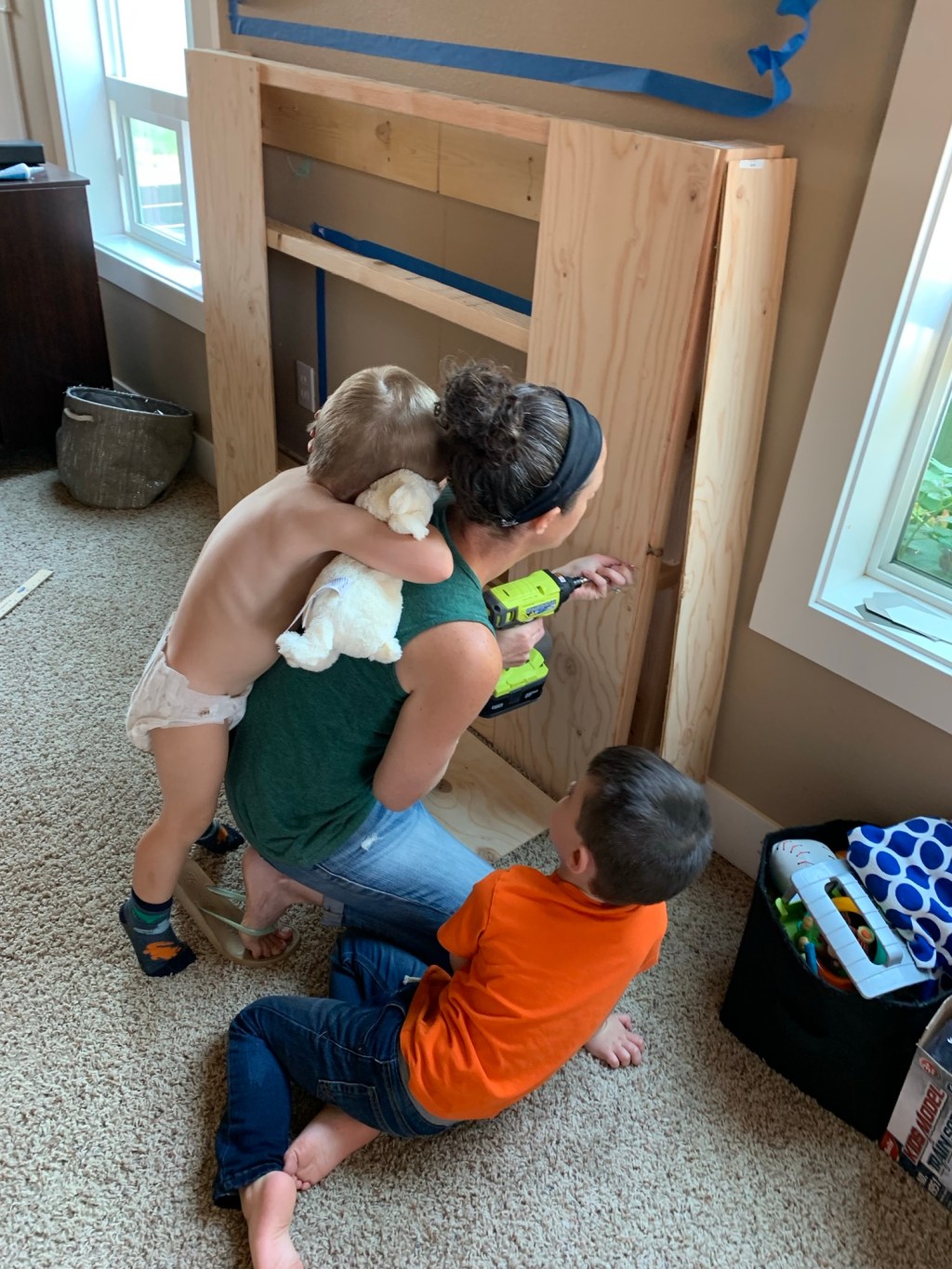
Not too long ago, I was wrestling on the floor with my boys—who, frankly, are already a little too strong for me. We were laughing, tumbling, and bonding in that wild way only little boys and their moms can. Then, mid-roll, my six-year-old stopped and looked right at me.
“Mom,” he said, “I’m afraid you will die.”
My heart sank. That wasn’t just a passing thought—it was something he had been holding onto for a while. And at that moment, it all clicked: the play, the physical closeness, the laughter… this was his way in. His emotional release came through connection, not conversation. He didn’t need me to ask questions. He needed me to wrestle.
That moment changed how I see our relationship—and honestly, how I approach parenting altogether.
✨ Every Child Has a Different Door
My daughters are naturally in tune with their emotions. They say what they feel, ask for what they need, and speak from the heart without fear.
My oldest son was born easygoing. He asks great questions, listens with intent, and isn’t afraid to share his missteps. He’s naturally open and responsive. In many ways, guiding him to become emotionally aware and communicative was… well, natural.
But my second son? He feels things deeply and it shows. His emotions are big, messy, and loud. He pushes back and doesn’t go along quietly. Sometimes it looks like rudeness but I know better now. It’s his way of learning boundaries and testing whether he’s safe enough to be fully himself.
And the way in? It isn’t correction. It’s connection—light, playful, physical connection.

💬 What Opened the Door to Communication
Now, when we want to connect, we:
Wrestle and run around the yard, tell silly jokes from library joke books, make fart sounds on the karaoke machine (I wish I were kidding), giggle in the hallway until we fall over, read funny comics and graphic novels shoulder-to-shoulder…
And then—almost magically—he talks. He shares his inner world. Worries. Thoughts. Ideas. Dreams.
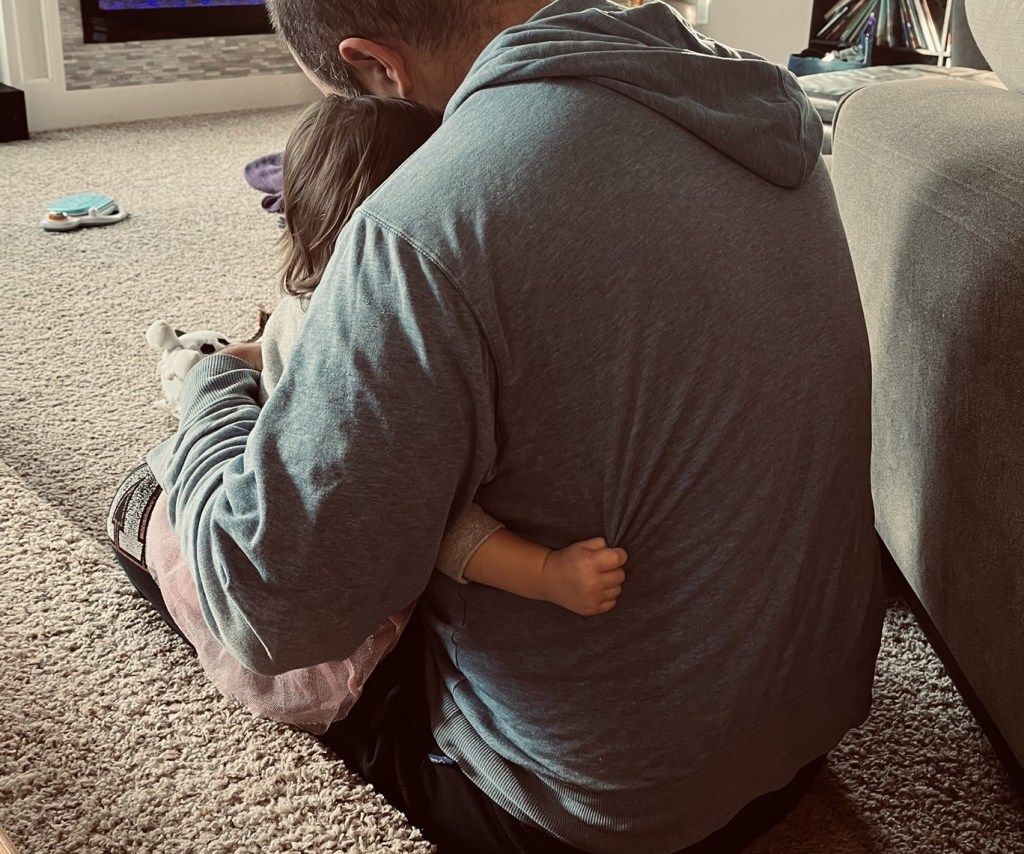
This playful trust-building has become our rhythm. It’s how I access the deeper parts of who he is and how he feels. It’s also how I’ve learned that no parenting strategy will work if my kids don’t feel emotionally safe with me.
🛠️ So What’s the Secret?
Create a Culture of Trust in Your Home
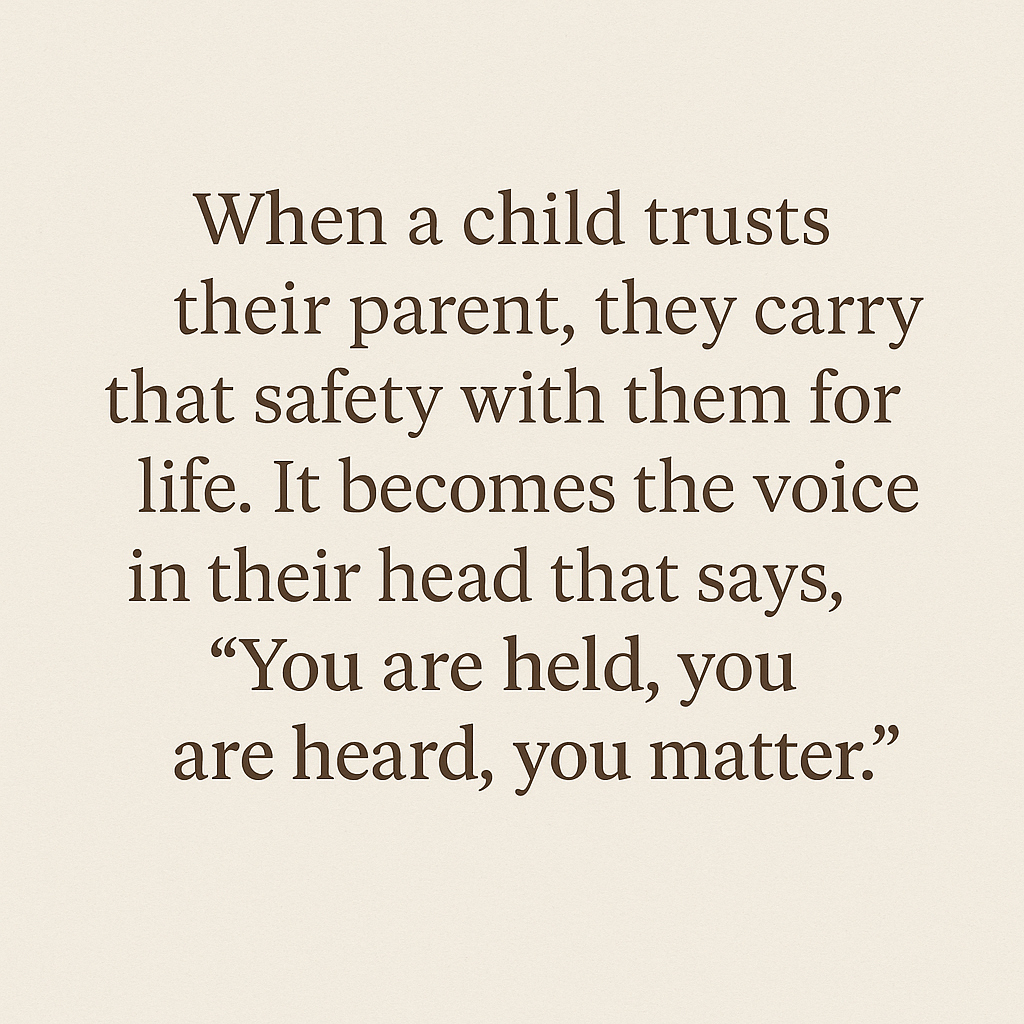
Kids are more likely to talk to you—and listen to you—when they feel seen, respected, and emotionally safe. And that doesn’t happen by accident. It happens through intentional, everyday choices. Here’s what that looks like:
-Stay calm when they mess up. Mistakes are how kids learn. When we stay calm, we become safe.
-Listen like their opinions matter. Even when we know more or disagree, our children need to feel heard—not dismissed.
-Respect them the way you want to be respected. The tone we use becomes the tone they mirror back.
-Involve them in decisions. Give choices where developmentally appropriate. Let them flex their independence safely.
📊 Why Does This Matter Long-Term?
According to research from the Harvard Center on the Developing Child, secure attachment and open parent-child communication in early years correlate with better decision-making, emotional regulation, and trust in adolescence and beyond.
When kids trust you:
They listen—even when peers influence them. They come to you with problems instead of hiding them. They accept guidance because they know you care, not just control. They become adults who want to stay connected to you.
Isn’t that the dream?
🧠 From Scaffolding to Self-Reliance
In childhood, we scaffold—we guide, we teach, we step in. As kids grow, we gradually step back. But here’s the key: if we’ve built trust, our voice stays in their heads. Our presence lingers in their hearts.
I want my children to come to me when they’re 20, or 30, or tired new parents themselves—not because they’re obligated to, but because they trust me.
But that kind of trust isn’t automatic. It’s earned. And maintained. And rebuilt, sometimes, when things get messy. And that work starts now.
💡 So How Can We Do This in Real Life?
Try starting here:
-Wrestle and play—even when it’s chaotic.
-Apologize when you mess up.
-Create rituals of connection—bedtime talks, morning hugs, car chats.
-Invite them to help solve problems.
-Say yes when you can.
-Model honesty and vulnerability: “I was frustrated earlier—I could have handled that better.”
Above all, be their safe place. Their soft landing. Their emotional anchor.
👋 Final Thoughts
Raising kids who talk to you and listen isn’t about being perfect. It’s about being safe, being consistent, and being human. When we lead with connection, playfulness, and trust, our kids follow.
Not always quietly. Not always easily. But always with growing confidence that we’re the ones they can count on.
You’ve got this, mama. The connection you’re building today will echo for years to come, and I’m here cheering you on every step of the way. Follow along with us for more inspiration in homeschooling, emotionally supportive parenting, and raising kids who feel safe, heard, and ready to listen in return.
Want to read more about emotional needs? Check out my book— a practical, nurse-authored guide to understanding what we all need emotionally, and simple ways to meet those needs for yourself and the people you love. Click here!


Leave a Reply