
For families in a conventional school rhythm, this means September often starts with review, catching up, and re-strengthening those skills before new learning can even begin.
Every summer, as traditional schools close their doors, a quiet challenge creeps in: the summer slide. It’s not a playground feature—it’s the term educators use for the learning loss that can happen when kids take a long break from structured learning. Research shows that during summer break, many students lose some of the math and reading skills they worked so hard to build during the school year.
But here’s the thing: learning doesn’t have to have an “on” and “off” switch.
How the Summer Slide Happens
When learning stops entirely for a couple of months, skills can fade—just like muscles get weaker if you stop using them. The biggest dips tend to be in:
Math skills (especially quick recall and problem-solving) Reading fluency and comprehension
The good news? The slide isn’t inevitable.
Our Family’s Approach: Everyday Learning, All Year Long
Because we homeschool, learning is simply woven into daily life. We don’t “stop” in summer—we just keep exploring, creating, and asking questions, but without the pressure of a school bell or a pile of worksheets.
Here’s what that looks like for us:
1. Reading Is a Daily Habit
We read together every single day—sometimes in cozy bedtime chapters, sometimes sprawled in the shade with a stack of library books. Reading is as much a part of our family culture as eating dinner together.
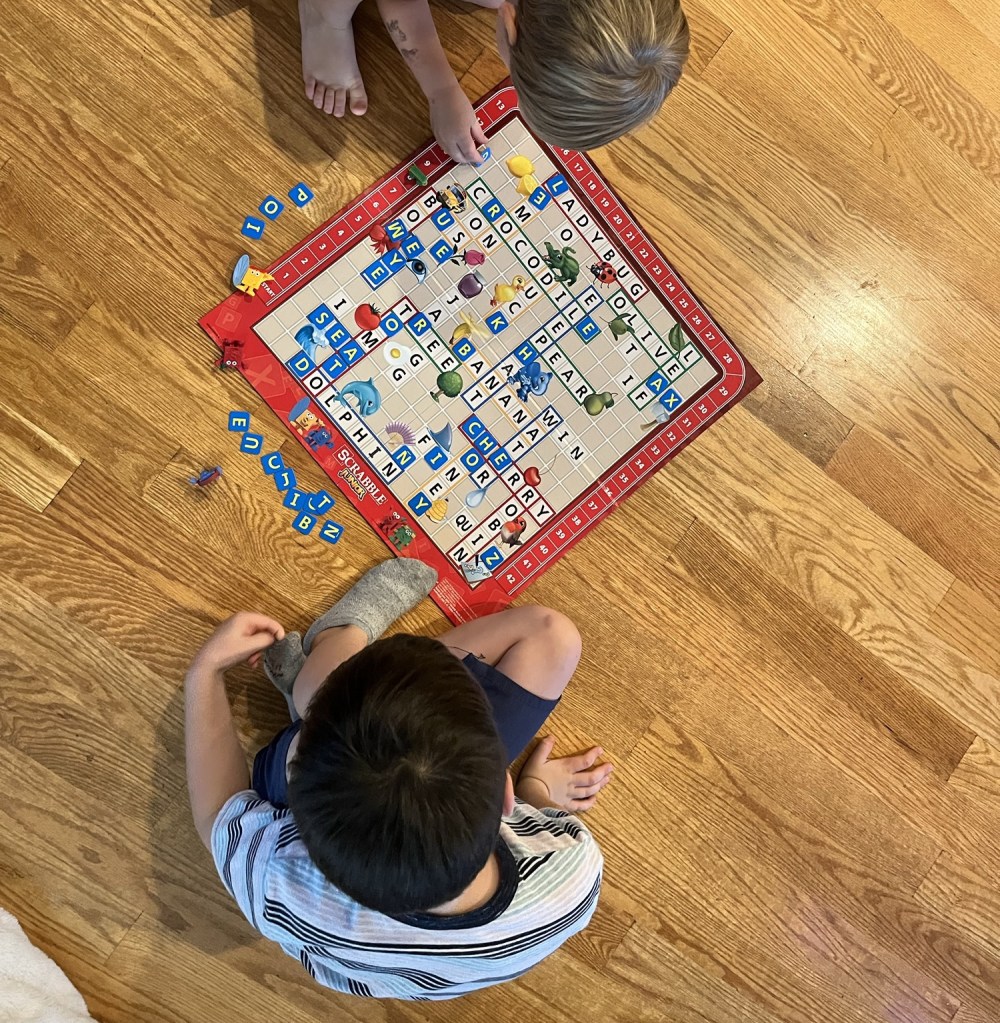
2. Math in Real Life
Instead of pulling out flashcards, we cook, play games, and shop together. Fractions show up in recipe measurements. Mental math happens while figuring out the best grocery deals. Game nights are full of strategy, counting, and probability.
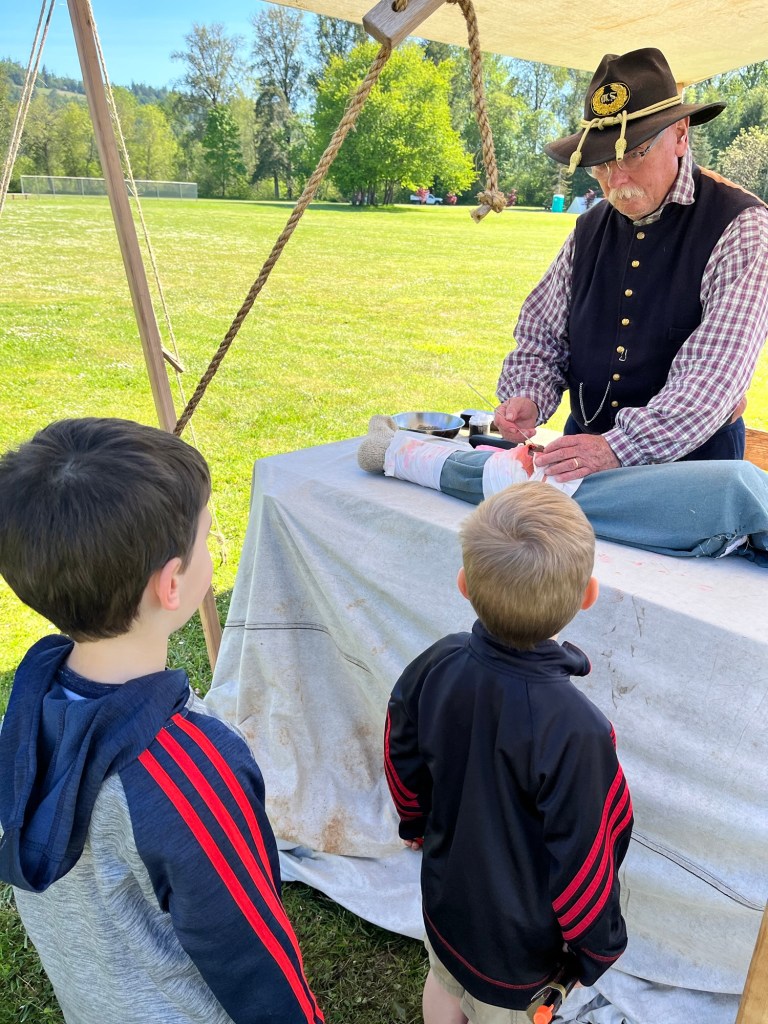
3. History You Can Walk Through
We love visiting museums, historical sites, and local landmarks. History becomes more than a list of dates—it’s a story we can stand in, touch, and feel.
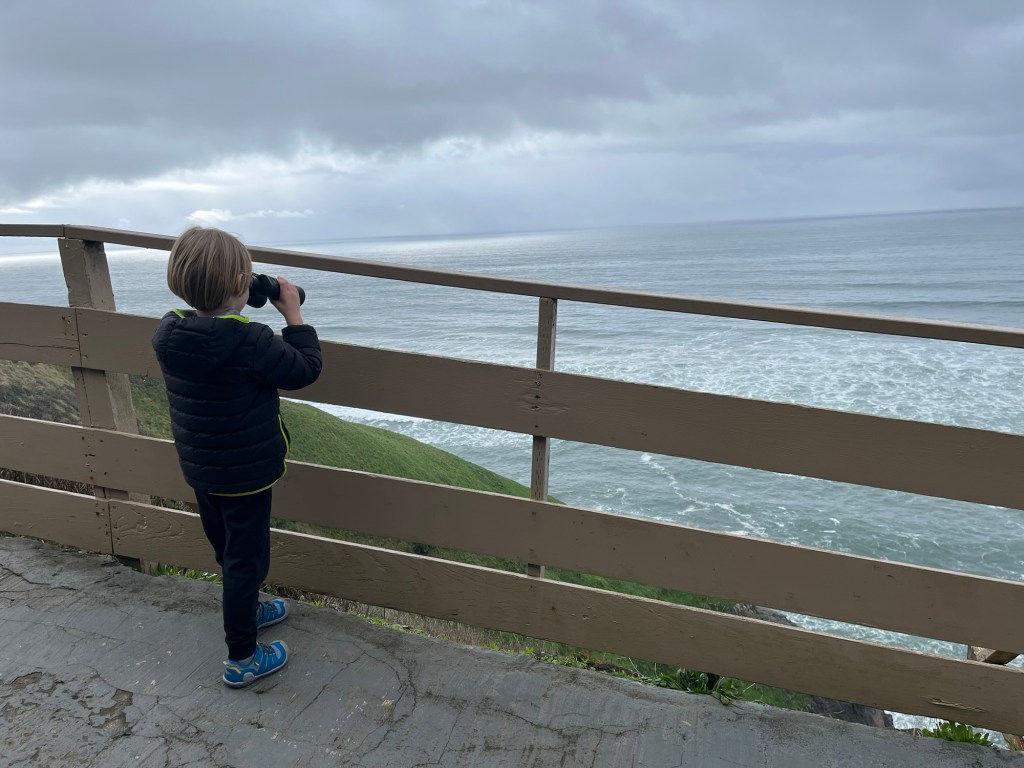
4. Junior Ranger Adventures
Whenever we travel, we complete Junior Ranger programs. They keep our kids engaged, help them notice details they might have missed, and connect them to the landscapes we explore. Learning becomes an adventure, not an assignment.
Why This Works
When kids see learning as part of life, there’s no gap to “slide” into. Their minds stay curious, their skills stay sharp, and the return to any structured work is seamless.
You don’t need to recreate a classroom at your kitchen table to prevent the summer slide—you just need to keep the spark alive.
Final Thought:
The summer slide isn’t about losing grades—it’s about losing momentum. Keep the momentum going with things that bring joy, curiosity, and connection, and you won’t just avoid the slide—you’ll keep climbing.
🚐✨ Follow Our Homeschool Journey!
We’re gearing up for our biggest roadschooling adventure yet this fall—exploring new places, diving into hands-on history, and learning from the world around us. Come along with us for inspiration, tips, and a peek into our everyday learning life!
 A Bowl Full of Learners
Leave a comment