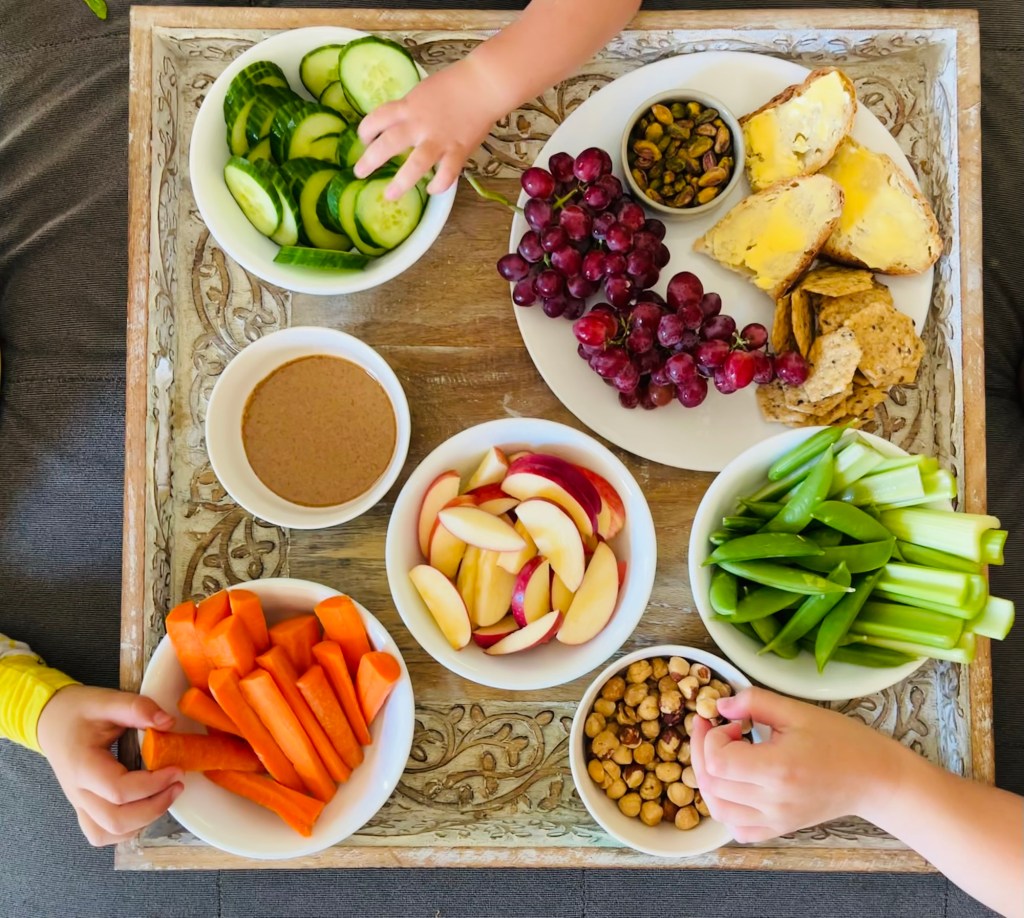
My kids tend to prefer foods in their simplest form: fresh fruit, raw veggies, plain rice, simple sourdough. And it turns out my kids aren’t the only ones with these preferences.
If your kids also prefer plain pasta, simple bread, raw veggies, or the same five foods week after week… you’re not alone.
And it’s not defiance, pickiness, or lack of exposure.
There’s a real reason for it — and understanding it can completely transform mealtimes.
As a nurse-mom who teaches health and nutrition in our homeschool, I’ve seen how closely kids’ food preferences are tied to sensory processing and nervous system regulation.
When we understand the “why,” we can support them with confidence (and far less frustration).
Let’s break it down in a simple, evidence-informed way.
What Is Sensory Nutrition?
Sensory nutrition looks at how the five senses—taste, smell, touch (texture), sight, and even sound—shape how a child experiences food.
Children don’t just taste a meal.
They feel it. They smell it. Their brain is processing dozens of sensory details at once.
For some kids, this is exciting.
For others, it’s overwhelming.
Plain foods are predictable:
✔️ same texture
✔️ same flavor
✔️ same smell
✔️ no surprises
Predictability feels safe for a developing nervous system.
Why Plain Foods Feel “Safe” to Kids
1. Their sensory systems are still developing
Kids experience tastes more intensely than adults. Bitter flavors (like kale) and mixed textures (like stew) can feel “too much.”
Plain foods reduce the “sensory load.”
2. Predictability lowers stress at mealtimes
Uncertainty activates fight-or-flight.
If a child isn’t sure how something will taste or feel, their brain may register it as a tiny threat.
A simple slice of sourdough?
Completely predictable.
3. Plain foods help kids regulate their bodies
Kids instinctively choose foods that feel calming.
Simple foods are grounding: warm grains, fruit, bread, nuts, raw veggies.
These foods support:
steady blood sugar
stable energy
easier digestion
predictable mouthfeel
This is especially true for sensitive or anxious children.
4. Plain foods help kids focus on eating
Complex meals require multiple sensory decisions:
Is the sauce spicy? Are there onions? What’s that green thing?
Plain meals make space for kids to enjoy food without mental overload.
An Easy, Low-Pressure Tool: The Snack Plate
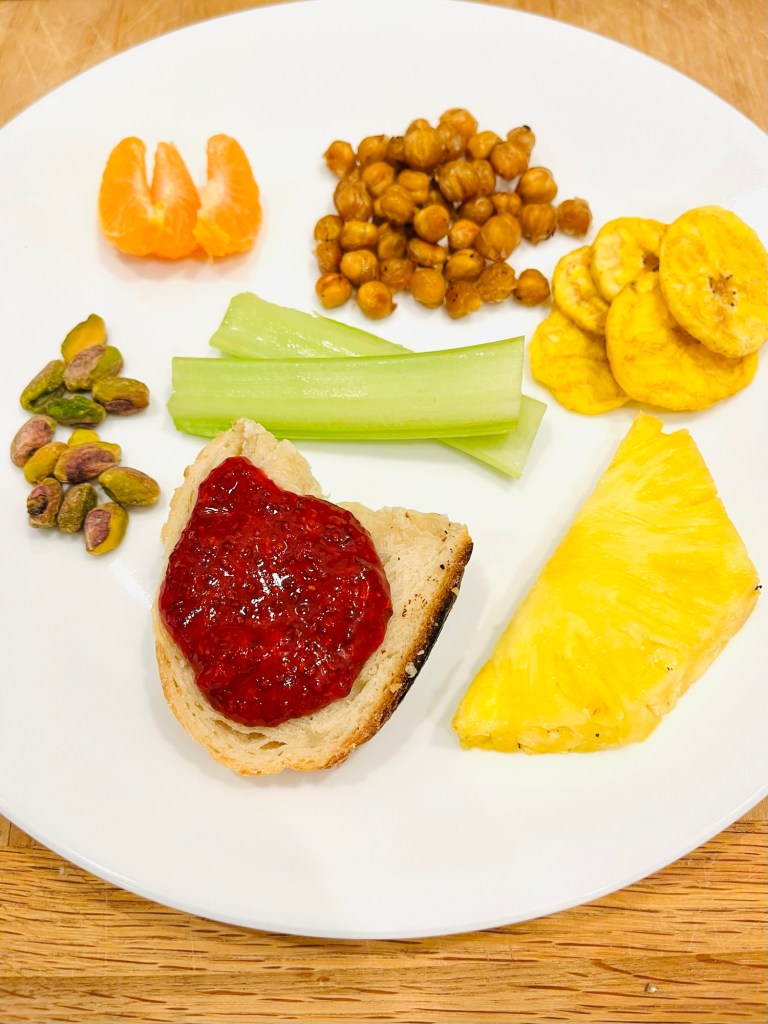
One gentle strategy that works beautifully in our home is offering a snack plate — everything separate, nothing required, and zero pressure. Just a variety of foods they can explore at their own pace.
It’s amazing how often kids will try something new when:
they can see every ingredient
flavors aren’t mixed
tasting feels like their idea
no one is asking them to take a bite
Separation helps the sensory system relax and engage with curiosity rather than overwhelm.
Kids Are Inconsistent — And That’s Normal
Seriously… don’t give up.
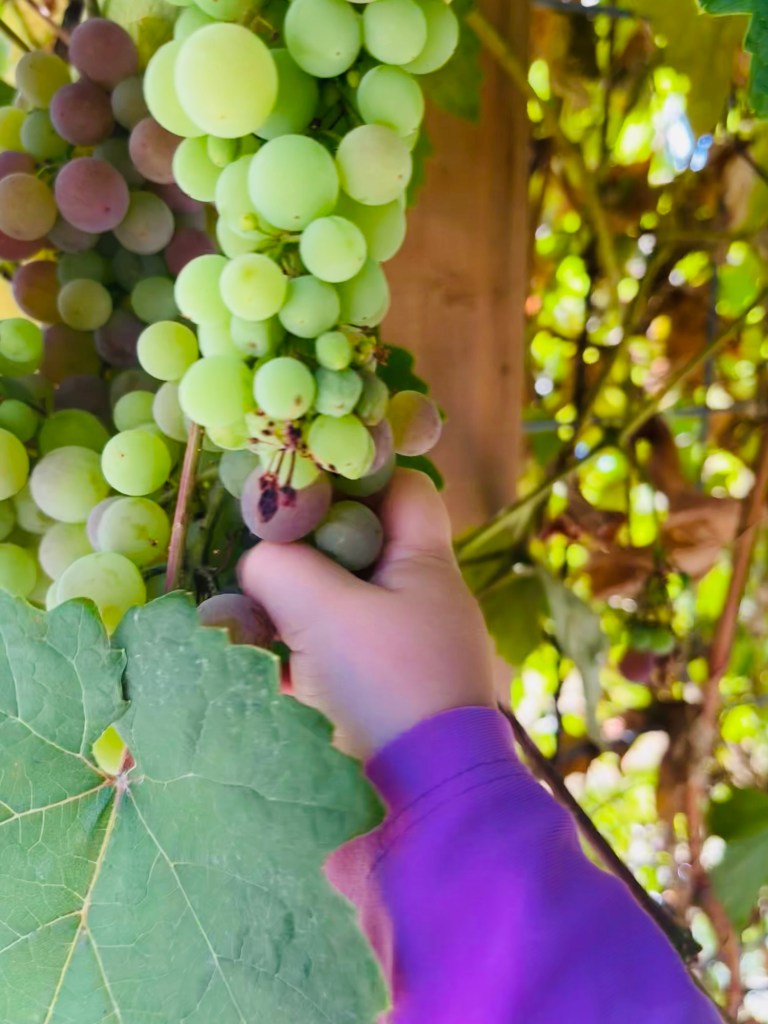
Some days my toddler says she “doesn’t like” broccoli — and other days she’s in the garden munching it straight off the plant and asking for the big, wonderfully nutritious leaves we usually feed the chickens.
My kids will all tell you they don’t like salad… and yet they’ll eat baby kale, baby spinach, and even giant chard leaves right out of the garden. Go figure.
It’s messy, hilarious, and such a reminder that kids explore food on their own quirky, wonderful timeline. They’re learning to master themselves; our role is to gently let them.
How to Support Kids Who Prefer Plain Foods
1. Keep offering small variations
Try:
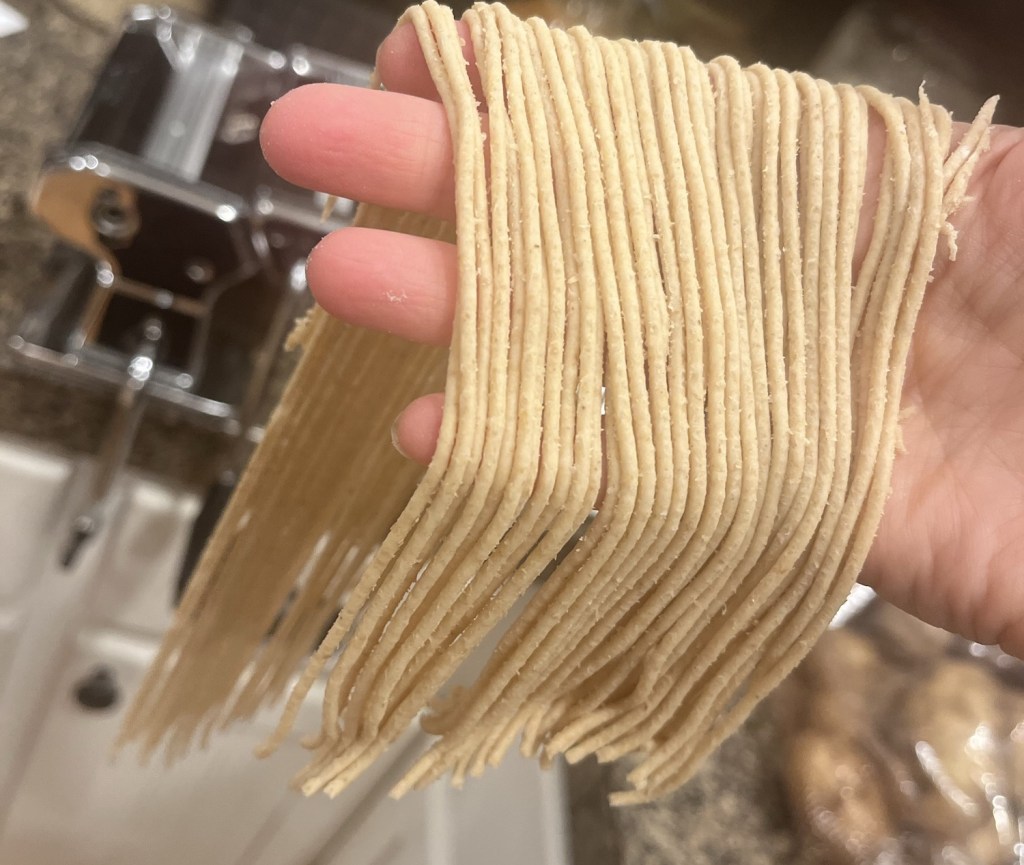
new pasta shapes
seeded vs unseeded bread
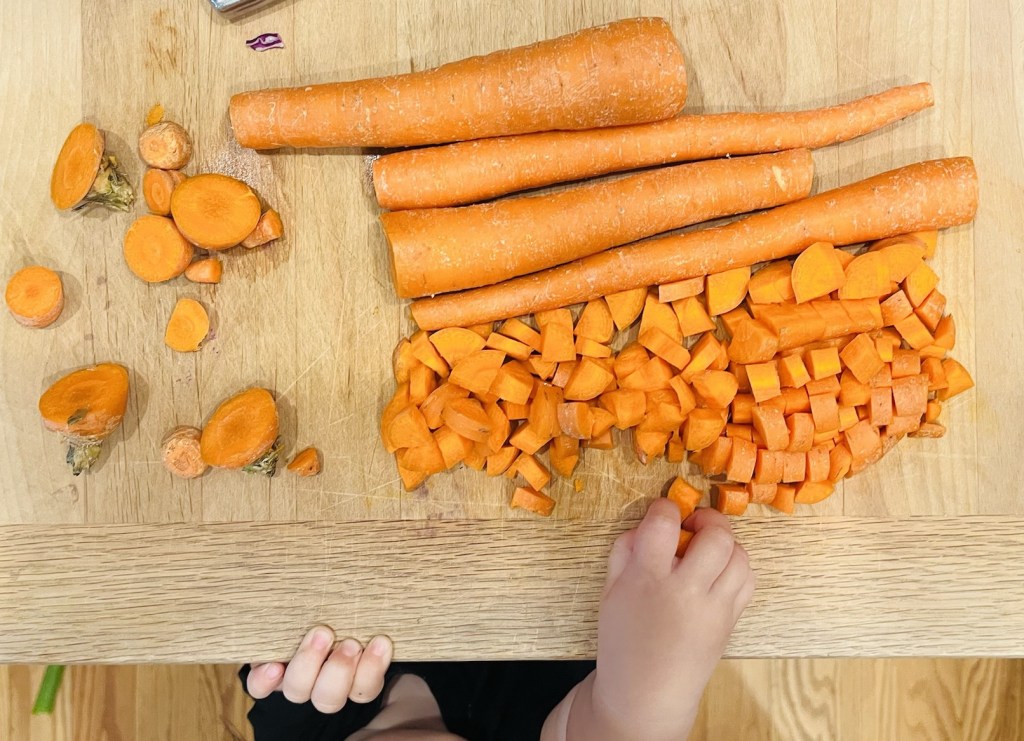
sliced vs stick-shaped veggies
a different fruit in the same color family
Small shifts build confidence.
2. Use a “no-pressure tasting” approach
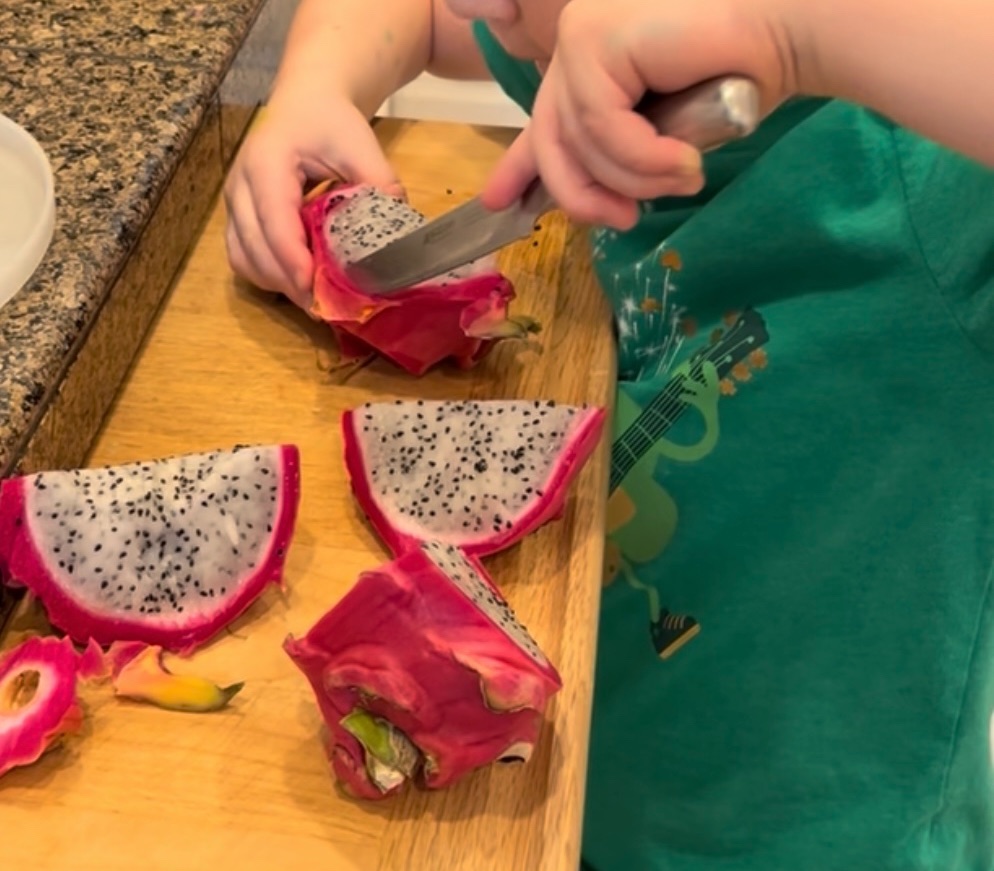
Let kids smell, touch, lick, or explore foods without needing to eat them.
Sensory familiarity comes before willingness.
Example:
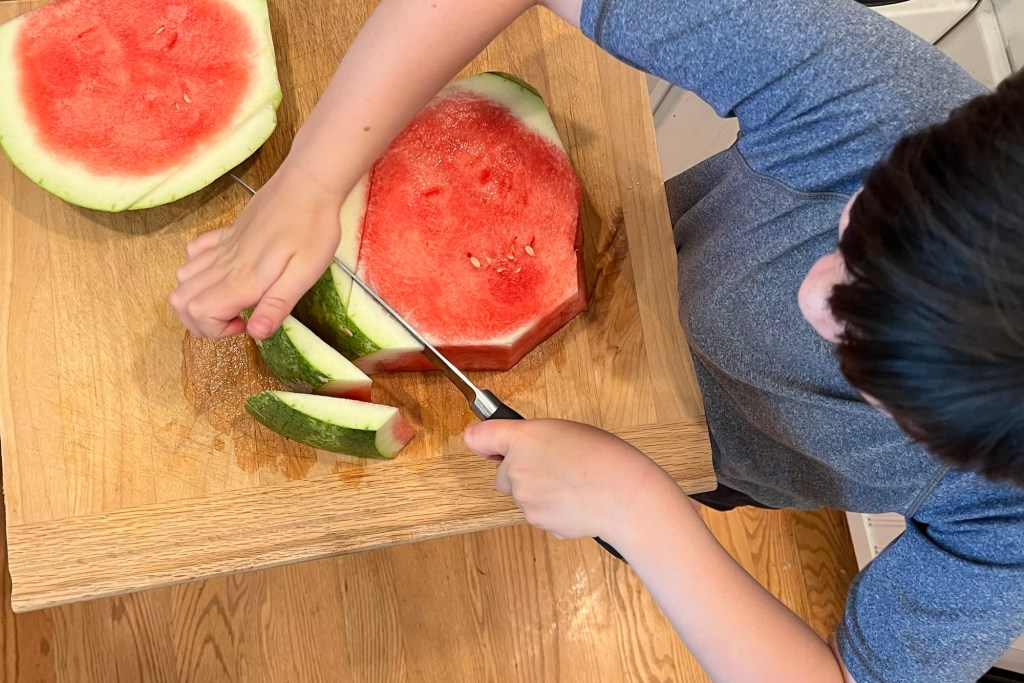
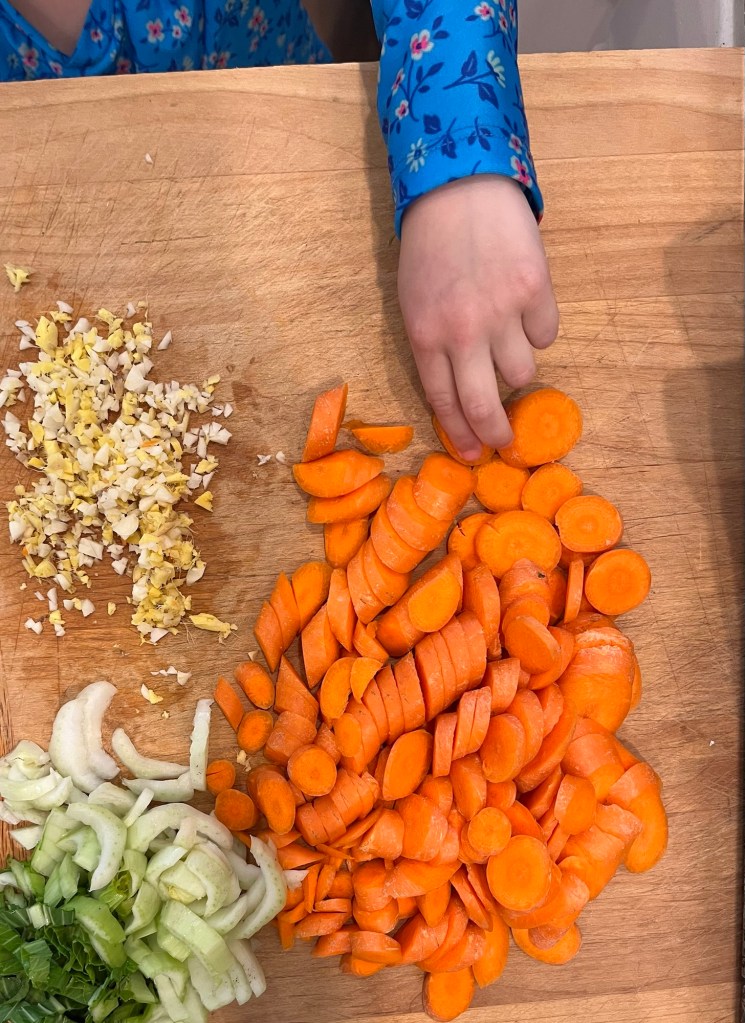
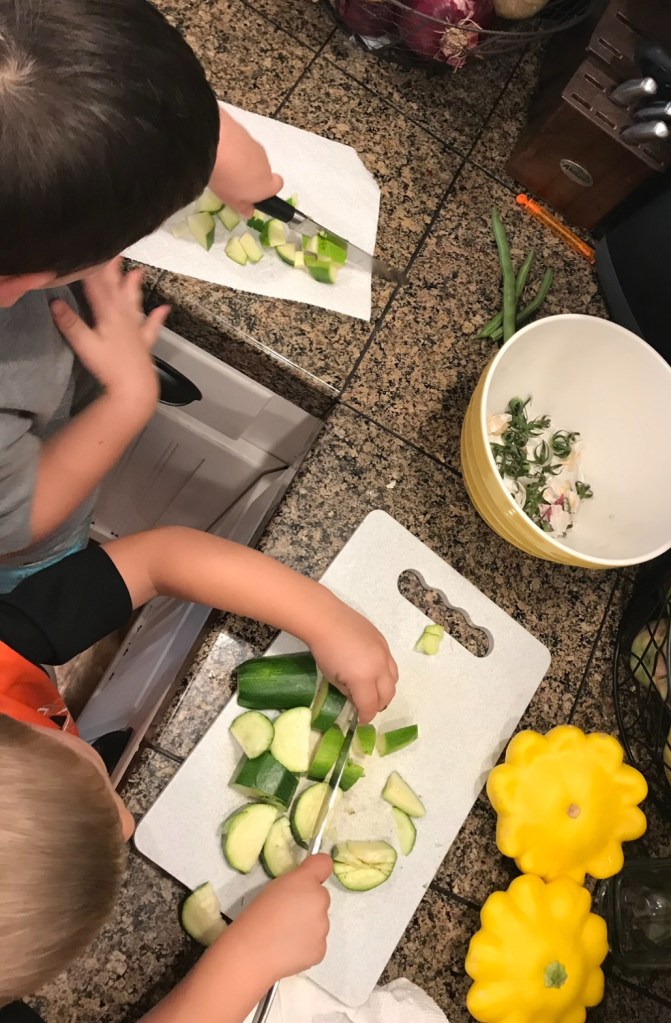
A cutting board, safety knife, and a request to “help” cut some veggies/fruits.
3. Pair something new with something highly predictable
Example:
plain sourdough + a tiny side of raw or roasted veggies
oatmeal + a few blueberries
beans + a few tortilla chips
A snack plate with a few familiar foods and 1-2 and unfamiliar foods.
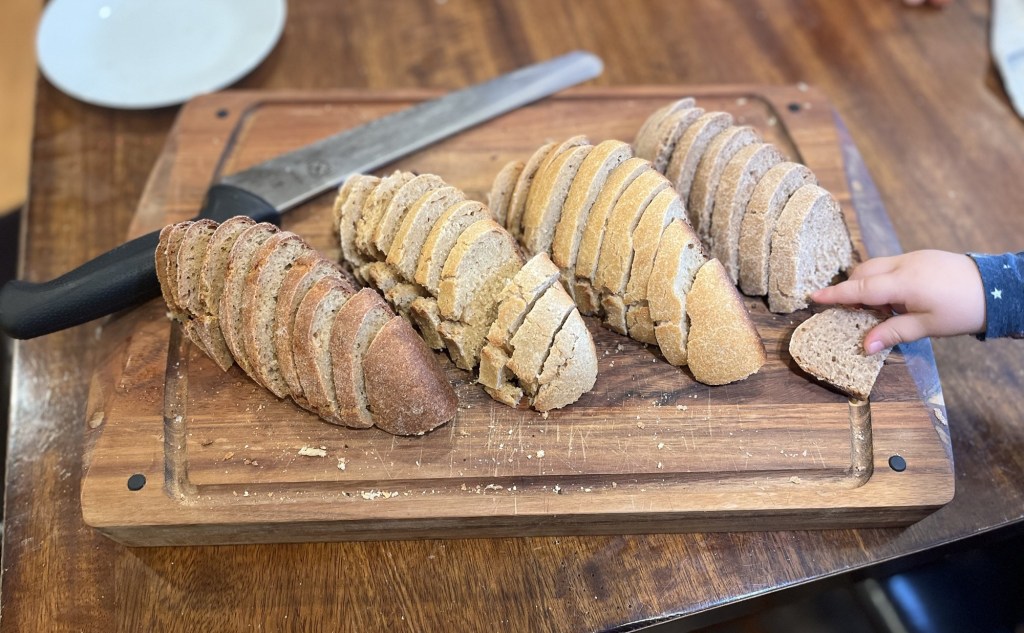
Try giving them different versions of a food they already love, such as a few types of bread. It’s an easy way to explore new flavors while staying in their comfort zone.
Predictability = safety.
4. Talk about food with curiosity, not expectation
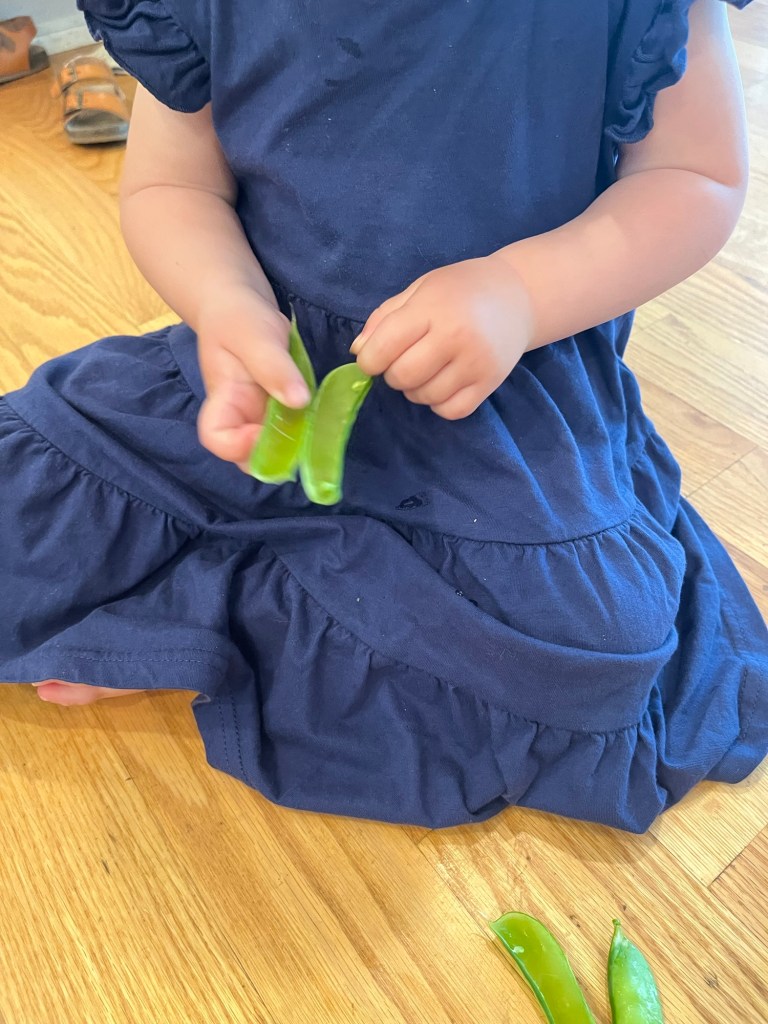
Try: “How can we get these peas out of the pod?” “Does it crunch loudly or softly?” “What does it smell like?”
This keeps mealtimes playful and low-pressure.
5. Let them pick something from the grocery store or farmers market
Kids are far more willing to try foods they’ve had a hand in choosing. Even something as simple as picking the “funniest carrot,” the brightest apple, or a new herb to smell gives them ownership of the experience. When they feel involved, their curiosity naturally grows.
When to Seek Further Support
Most plain-food phases are normal.
But if you notice:
extreme avoidance
panic around unfamiliar foods
choking/gagging
a diet limited to very few foods
sensory challenges in other areas
…it may help to speak with your child’s physician or an OT who understands sensory processing.
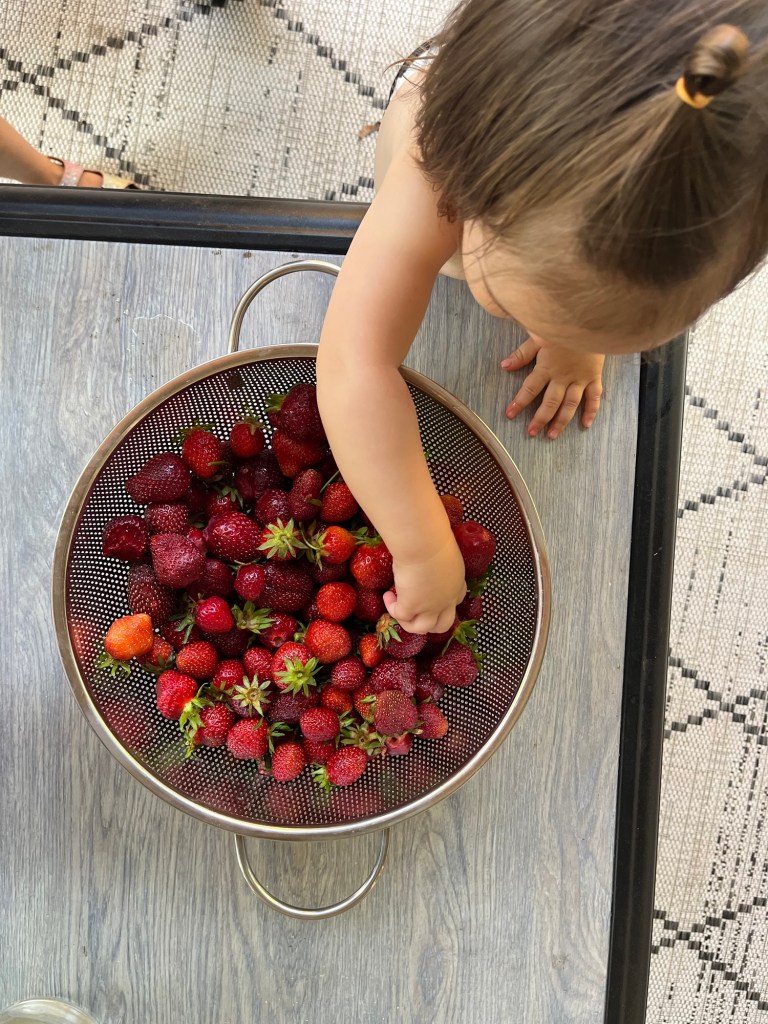
Here’s what I want every parent to remember: when you create space for your child to explore food in their own way, you’re giving them exactly what they need to grow confident and capable.
Their preferences aren’t a problem to fix — they’re clues about how their nervous system experiences the world.
Kids thrive when they feel safe, respected, and understood.
And the way you show up — with patience, curiosity, and trust in their timeline — is exactly what helps them grow.
Keep offering, keep observing, keep connecting.
Curious how I raise veggie-loving kids? Hop on my email list and I’ll let you know the minute my ebook goes live!
P.S. I don’t do spam. I can barely keep up with four kids as it is.
 A Bowl Full of Learners
Leave a comment