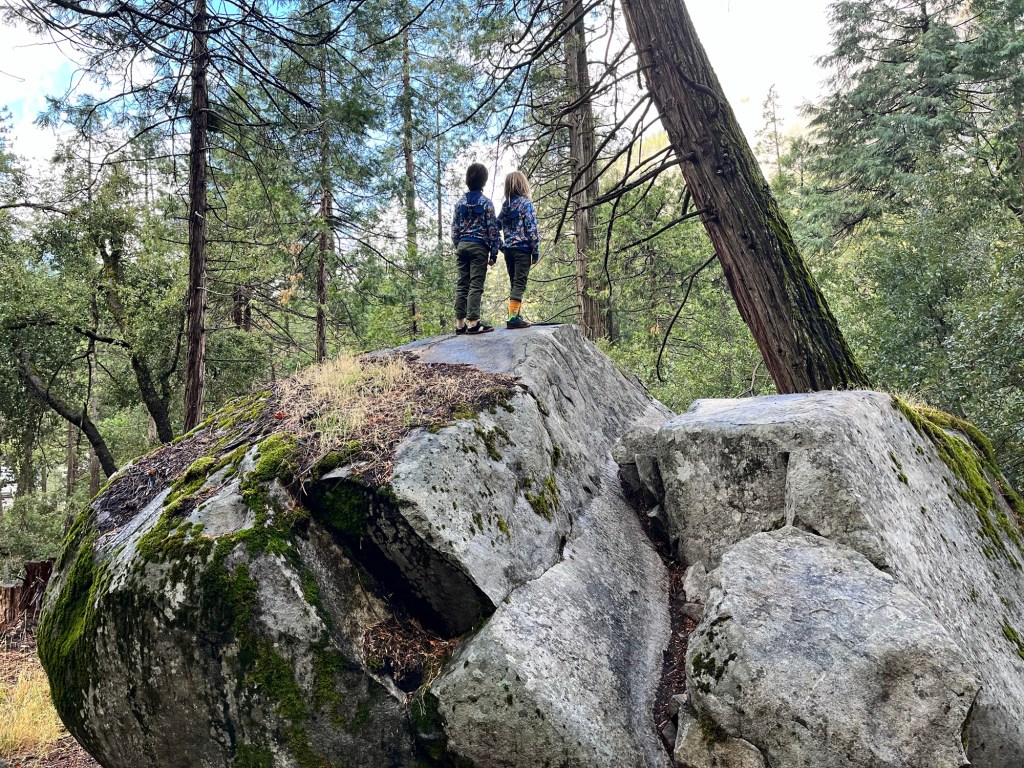
Homeschooling doesn’t have to drain your wallet to be rich in learning. Some of the best educational experiences come from creativity, community, and curiosity — not expensive curriculum sets.
Here are some of our family’s favorite super frugal (and super fun!) ways to build an awesome homeschool education:
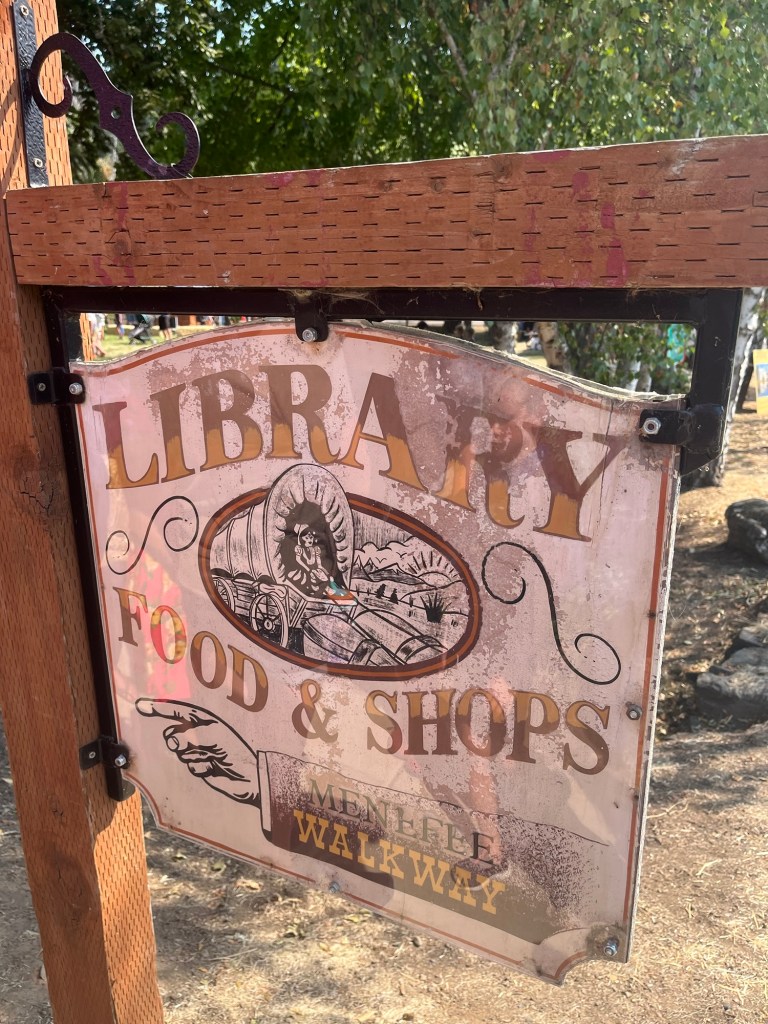
1. The Library — A Gold Mine of Learning
The library is every homeschooler’s best-kept secret. And I don’t just mean your local library — branch out!
If you have access to a small local library, consider visiting nearby towns to explore theirs too. Many larger libraries offer interlibrary loans, maker spaces, story hours, reading programs (often with free books or prizes!), and even free educational events or clubs.
The best part? You don’t even need a library card to join many of these activities.
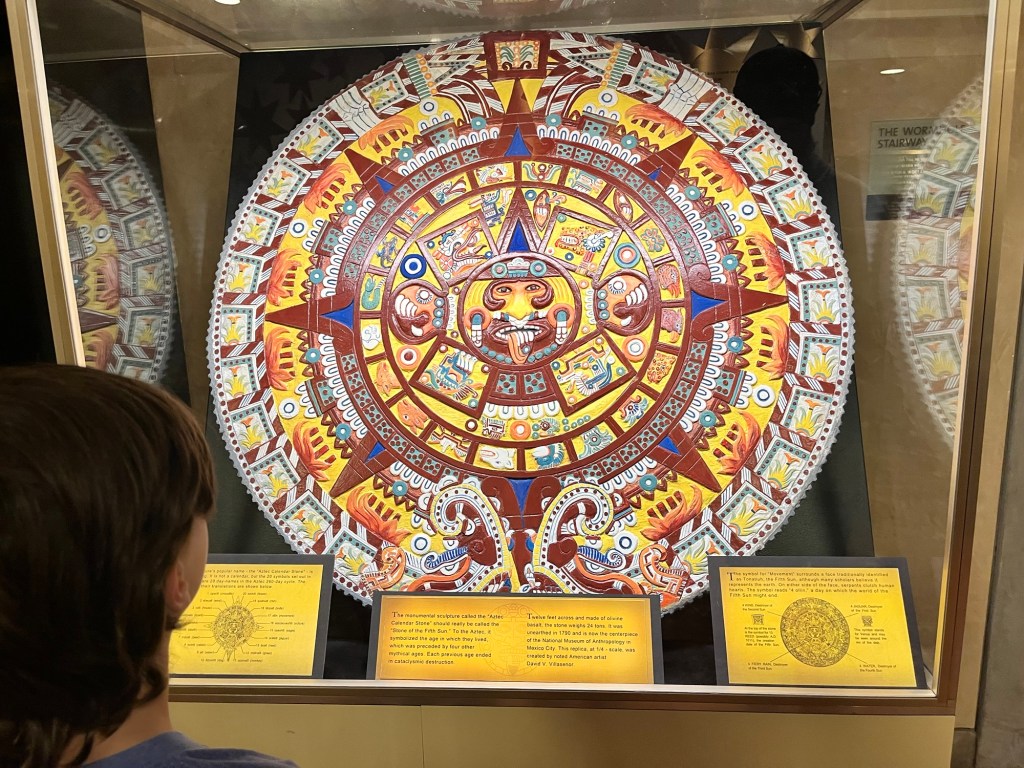
2. Local Museums (Watch for Free and Discount Days!)
Many museums, zoos, and cultural centers have monthly free days or steep discounts for homeschoolers and educators. Keep an eye on their event calendars — or join their email list so you never miss one.
A single afternoon can spark a lifelong interest in science, art, or history — all for little to no cost.
We recently went to a library event two towns over from ours and spent an incredible morning of hands-on learning, exploring their nearby museum, and making fun memories.

3. Local Festivals and Community Events
Festivals can be incredible hands-on learning experiences. One of our favorites was a Scottish Festival and Highland Games.
Before the event, we learned a bit about Scotland, watched a YouTube video of bagpipers, explored a virtual map, and read a few fun facts about the Highland Games.
By the time we got there, our kids were bursting with excitement and curiosity — and came home with a new love of bagpipe music (which played in our house for months afterward!).
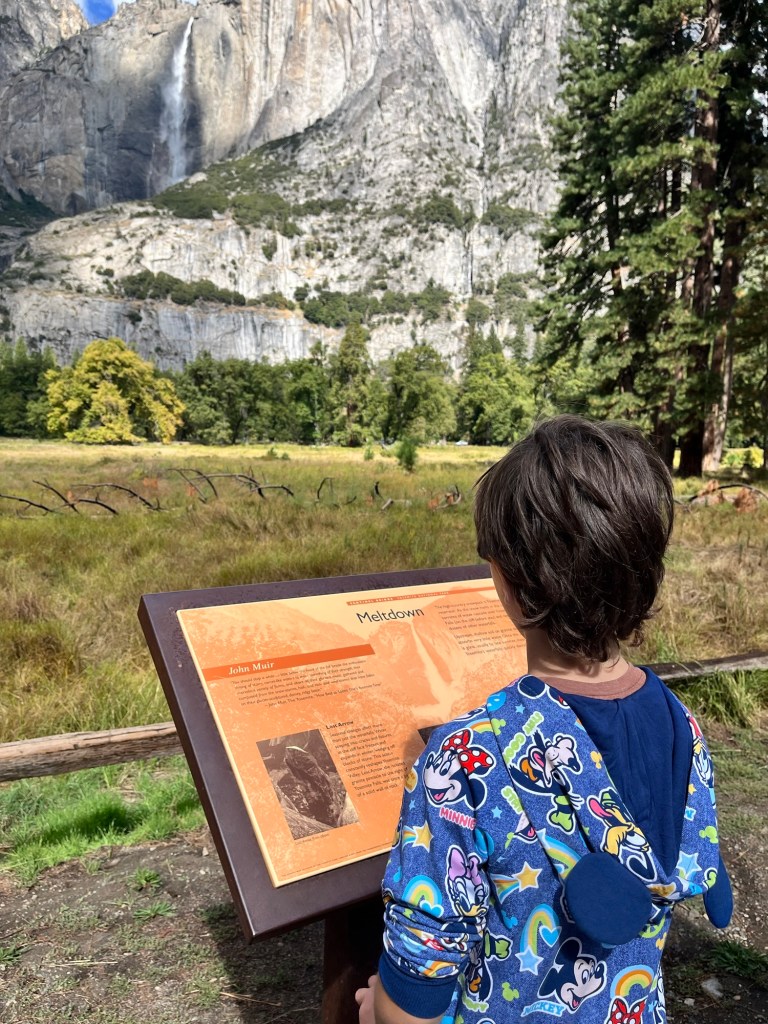
4. State and National Parks
We’ve discovered that parks are some of the most underrated educational treasures around. Many offer free Junior Ranger programs, museums, and hands-on exhibits at visitor centers.
At Champoeg State Park in Oregon, we explored an old schoolhouse, saw a real jail, and toured historic buildings. My eight-year-old declared it “the coolest thing ever.”
We visit state parks often for hiking, biking, picnics, and exploring — all while learning about ecology, geography, and history in real time.
Have a fourth grader? Check out the Every Kid Outdoors program! It lets your whole family explore national parks for free all year long—adventure awaits!
5. Use Memberships Wisely — and Reciprocally!
We stretch our memberships by choosing ones that include reciprocal benefits.
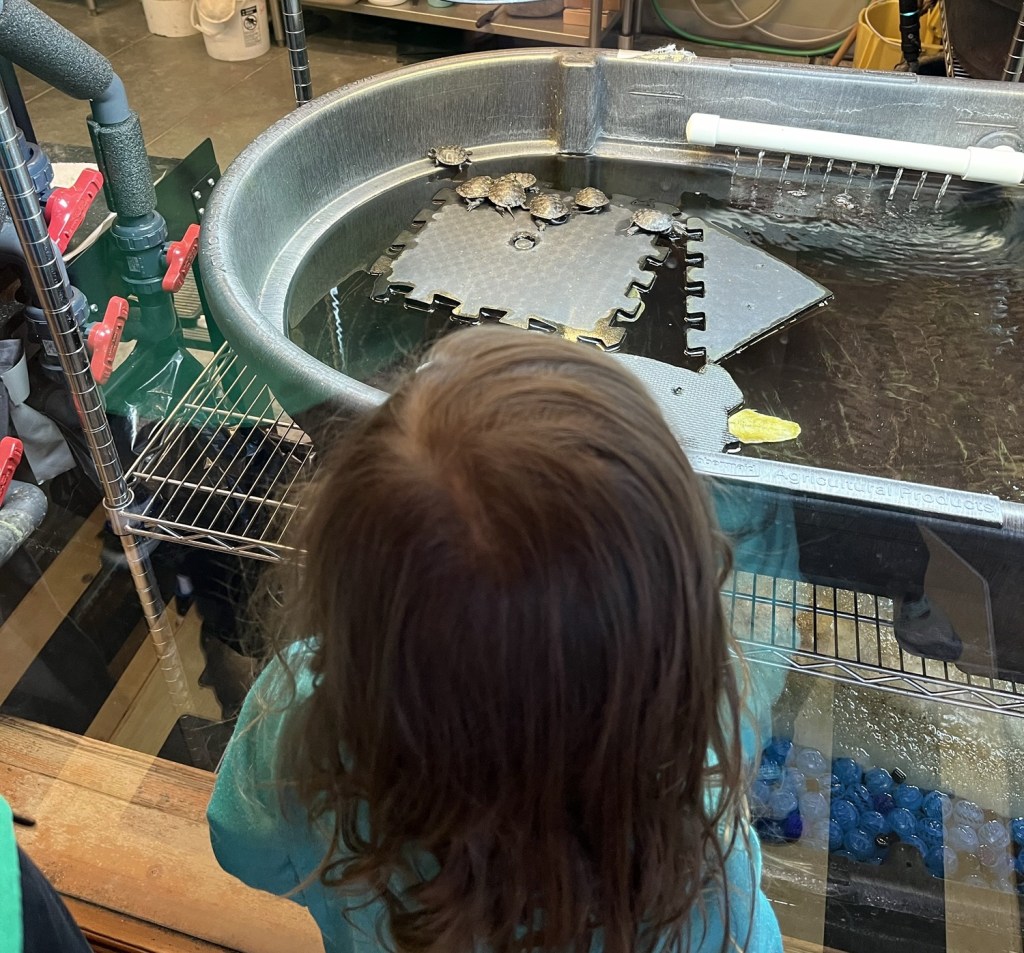
For example, our zoo and aquarium memberships get us into different locations each month, and our local science center membership (through the ASTC Passport Program) gives us free access to hundreds of other museums nationwide.
With just one annual membership, we can fill our homeschool calendar with amazing field trips all year long.
6. Free Online Learning Resources
We haven’t purchased a full curriculum yet — and honestly, we might never need to.
Our homeschool rhythm centers around curiosity: we combine library books, YouTube videos, documentaries, and hands-on experiences to explore topics in depth.
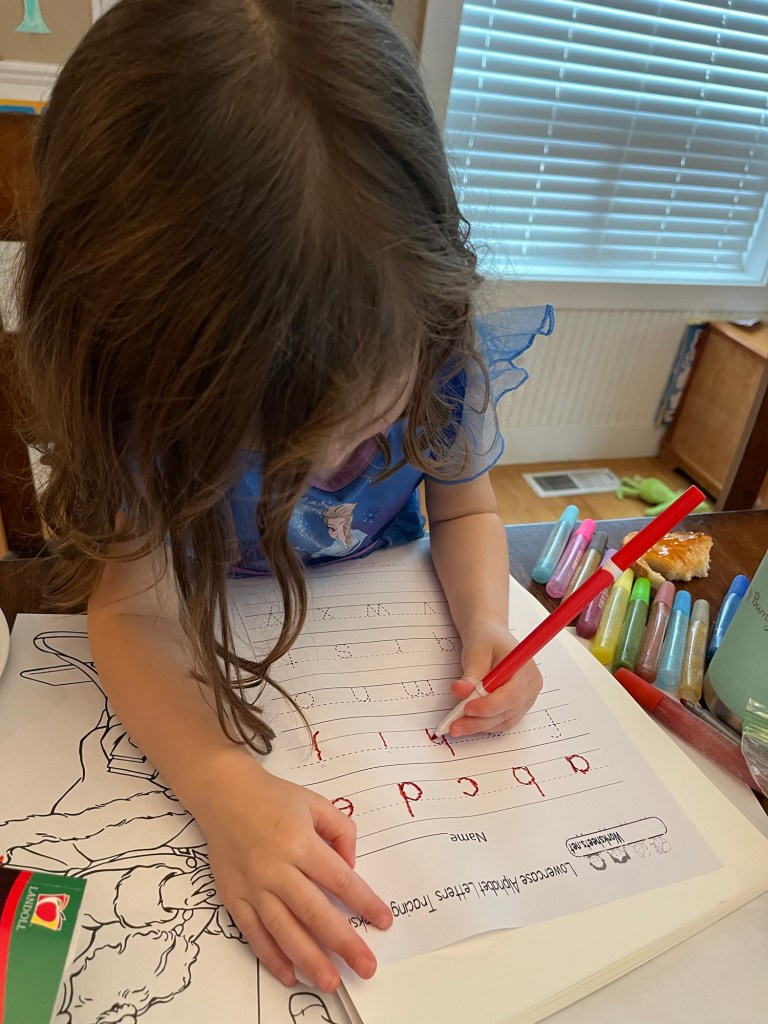
For math, we play games, count together and explore math concepts in real life such as while baking and shopping. To supplement, we use Khan Academy, YouTube videos, and/or print out free worksheets I find online— my kids love seasonal/themed worksheets!
There are countless free sites like NASA Kids, National Geographic Kids, or Mystery Science that make learning engaging and accessible.
For the youngsters- Alpha blocks and Numberblocks are frequently requested in our home. This is a great show to give mom and dad a quick break while the kids build math and phonics understanding in a fun way!
7. Redeem Credit Card Points for Learning
We pay off our card monthly, but those reward points add up fast — especially with groceries and gas.
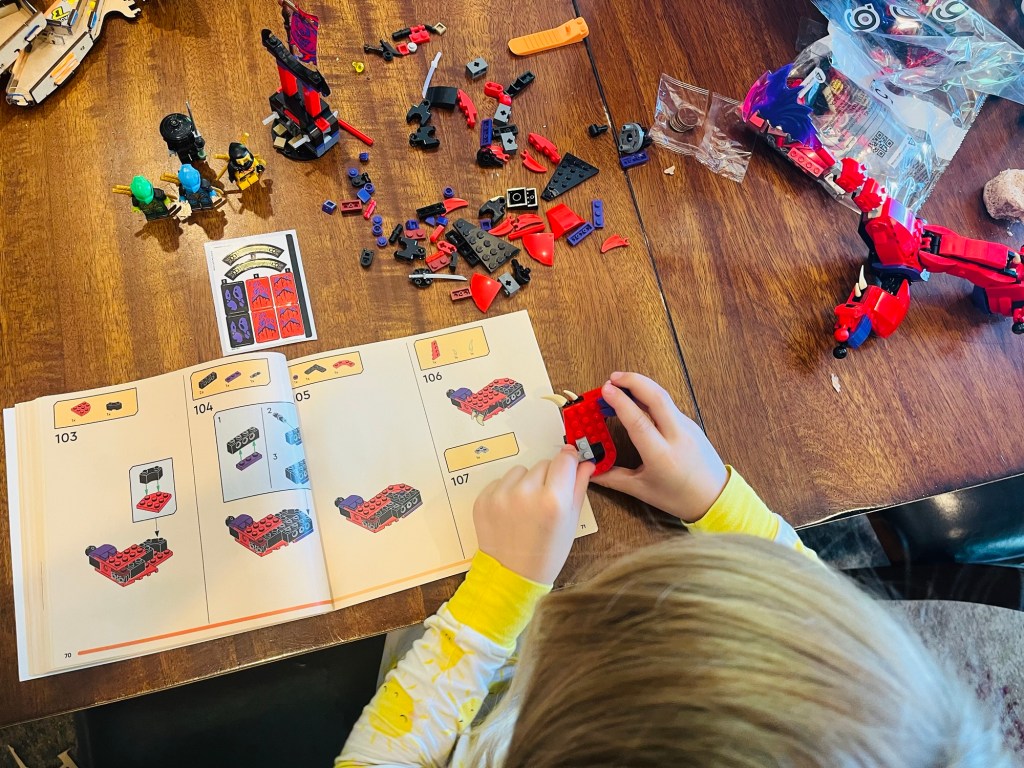
We’ve used ours to buy educational games, museum passes, and even science kits. It’s a sneaky-smart way to stretch your homeschool budget without spending extra.
8. Take Advantage of Local Education Reimbursement Programs
If your state participates in Open Ed or similar programs, you might qualify for reimbursement for learning materials, internet bills, science memberships, and more.
(States vary — check yours for homeschool funding or charter programs that support flexible education.)

9. Bonus Ideas from Other Frugal Families
Here are a few more that fellow homeschoolers swear by:
-Library of Things: Borrow microscopes, telescopes, musical instruments, or coding kits. Our local library started offering this recently and it’s been a huge hit.
-Community swaps: Organize a homeschool supply or curriculum swap with other families. Our library offers seed swaps, craft supply swaps, etc!
-Volunteering: Animal shelters, gardens, or museums often welcome families — and the learning is priceless.
-Farm visits or U-pick farms: Nature, science, and nutrition lessons all in one.
-Explore, explore, explore! Whether it’s the park, a forest, a nearby river, or the beach, every place holds the potential for a magical adventure outdoors.

Final Thoughts
Education’s true value isn’t counted in dollars, but in the questions we ask, the details we see, and the wonder we carry with us.
I imagine kids who grow up learning in libraries, wandering through nature, and engaging with their communities begin to see that curiosity and creativity open doors no textbook ever could.
 A Bowl Full of Learners
Leave a comment