I was experiencing that old, familiar feeling I get about once a year: “What if I’m not teaching my kids the right stuff? What if they ‘fall behind’?”
So I did what any curious parent would do—I looked up all the learning requirements for Common Core. And you know what I realized? We’re not just meeting them; we’re exceeding them—plus a whole lot more. (I’ve summarized Common Core by age, K-5. Click here!)
That anxiety? Totally normal. It’s that “what if I’m not good enough?” moment that comes and goes. Over time, it has softened, but I suspect it will linger until I see my confident, capable young adults step into the real world.
The truth is, I know they will be ready. Why? Because every day, they live in a learning environment designed to prepare them not just academically, but for life itself.
Homeschooling (and yes, our style leans heavily toward unschooling) isn’t about worksheets and battles over homework. It’s about creating a space where kids naturally absorb knowledge through curiosity, exploration, and real-life experiences.
My kids are part of daily life in a hands-on way:
–Grocery shopping (or grocery pick-up) while learning: budgeting, observing customer service and learning about supply chains and how businesses work.
–Planning educational road trips and travel while learning: geography, budgeting, organization, the options here are truly limitless! Going on those trips are also invaluable experiences!
–Researching any and everything that comes to their mind. I’m not joking when I say we’ve spend an entire day following the question “do all animals fart?” From that one question we learned, we laughed, and we connected in a way I wouldn’t trade for anything.
–Playing games to enhance math skills. Magic the Gathering, Dungeons and Dragons, and several other favorites. My 6 and 8 year olds calculate hit points and life counts in their heads like you wouldn’t believe.
–Scheduling appointments and understanding responsibility. Doctor, dentist, and veterinarian appointments aren’t chores for my kids, they are field trips and they come prepared with questions.
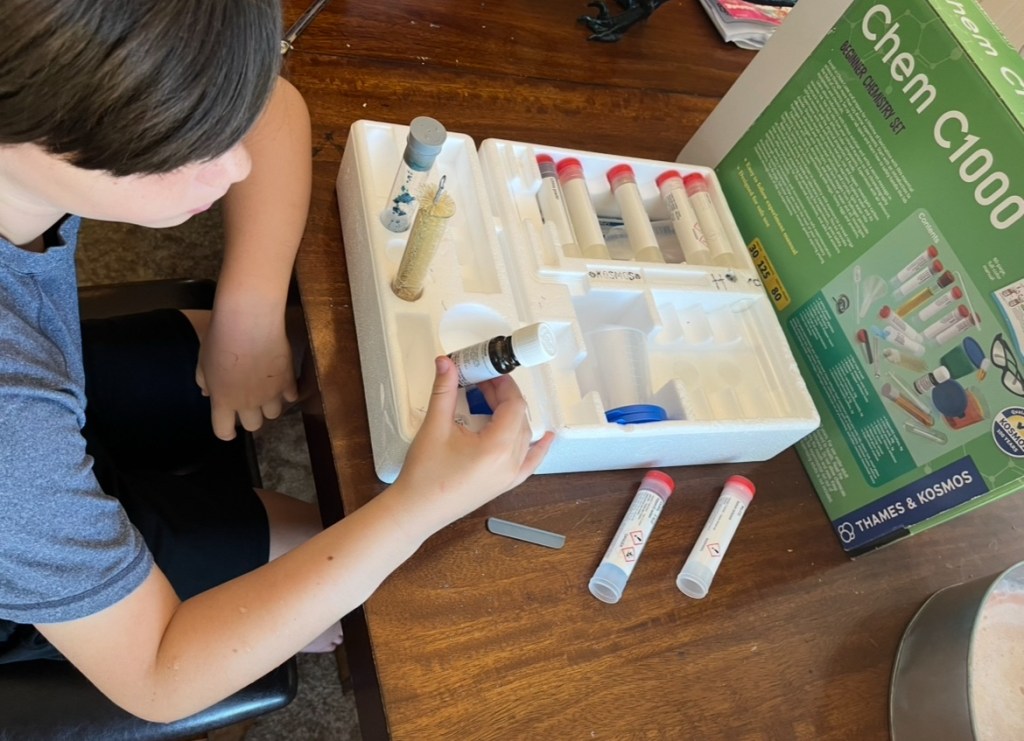
–Reading books that interest them. My eight year old is currently reading about (and loving) the periodic table and characteristics of different elements. Our dinner table conversations are very interesting right now!
–Participating in civic duties– my oldest learned how to vote last year. We read everything about the candidates together and we discussed how to make informed decisions.
–Gardening while learning about all about plants, nutrition, birds, bugs, photosynthesis, etc. We’ve been learning about seed saving this year, too, which has been particularly cool!
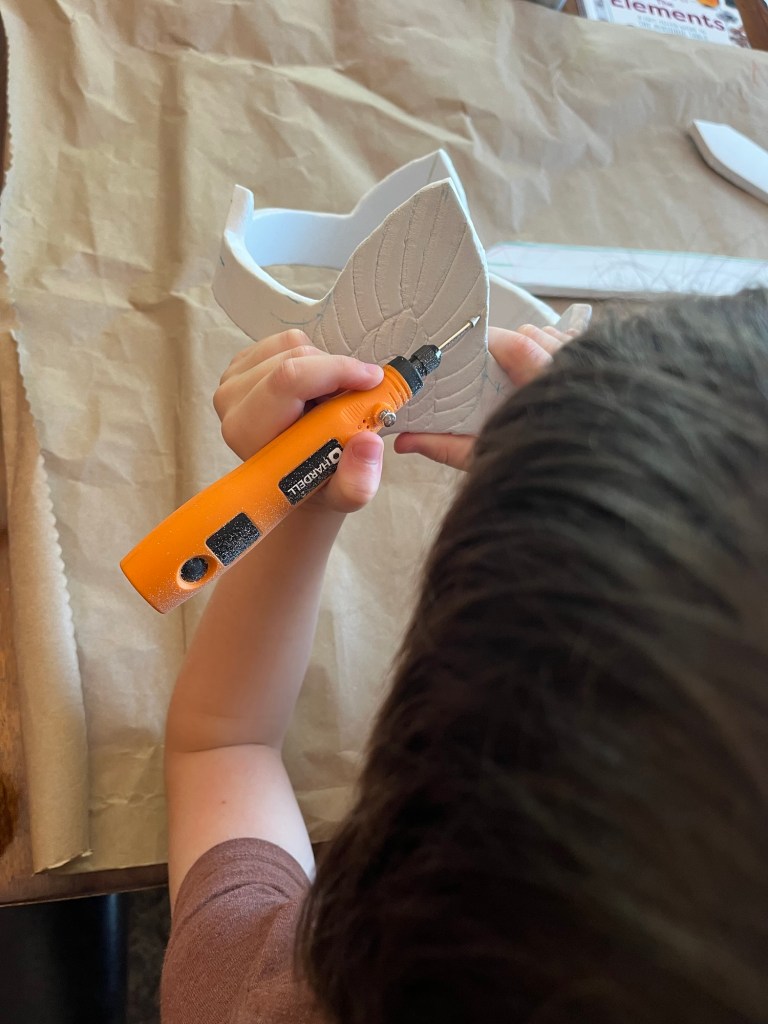
–Helping design, shop for, and carry out home improvement, art, and building projects. A few years ago they built and painted the chicken coop. Currently, we are making props for our halloween costumes.

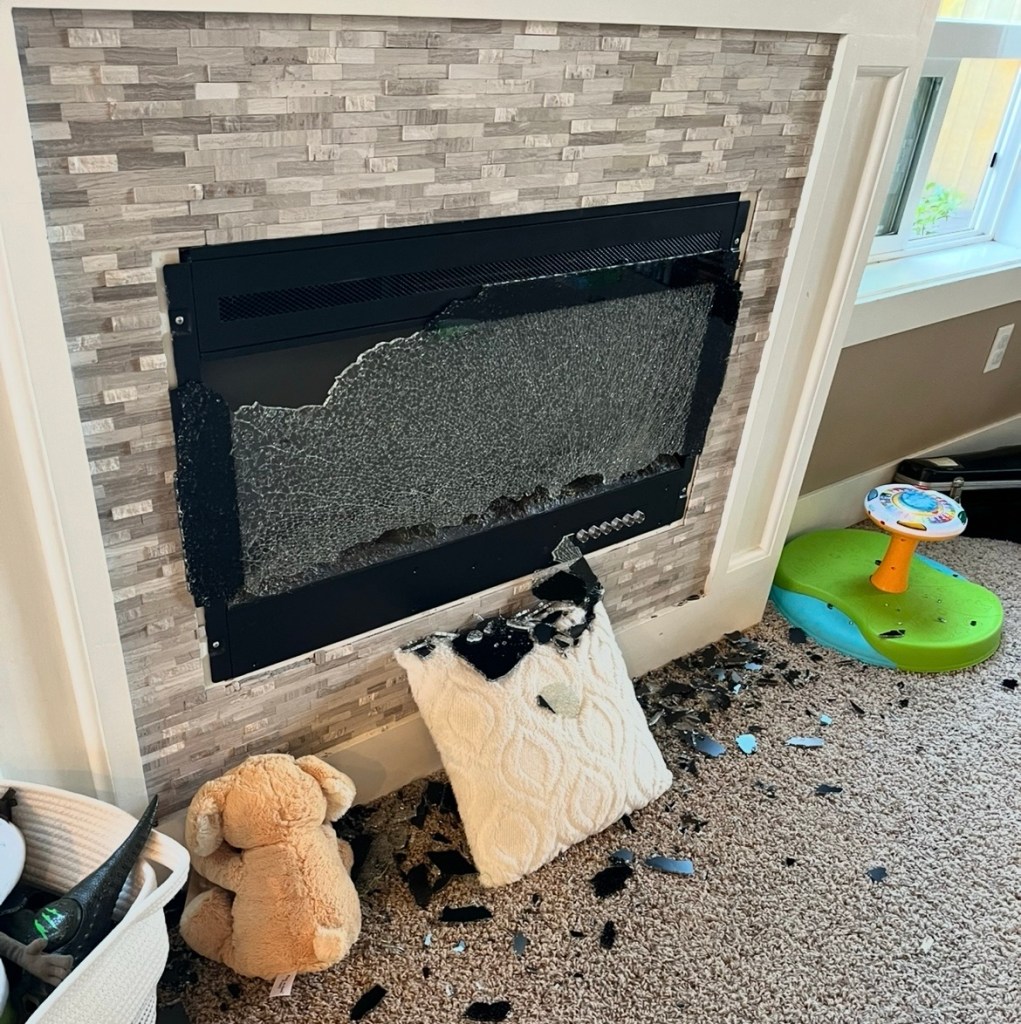
–Fixing broken things around the house- when our doorknob suddenly stopped working recently, they were right there helping pick a new one out and replace it! And when a “ninja star” accidentally broke our fireplace glass, the kids helped as I ordered the replacement. They also assisted as I installed it. Actually, they helped build and paint the fireplace surround and mantle a few years ago too!
All of these experiences cultivate balanced, capable, and compassionate young people—skills that go far beyond academics. We don’t spend our days “doing school”. We do not try to replicate the school environment at all. Because they’re already learning constantly.
And here’s the thing about unschooling: given the right environment—engaged parents, abundant resources like books, podcasts, documentaries, science/building kits, educational games and field trips—learning happens naturally.
No fighting it. No homework battles. Just a life immersed in discovery.
Interest-based learning is more than a trend; it’s a proven approach that enhances student engagement and retention.
Research indicates that when students engage with topics that interest them, they demonstrate:
-Increased attention and persistence in tasks.
-Deeper processing of content, leading to better understanding.
-Enhanced metacognitive skills, aiding in self-regulation and reflection.
After five years of this approach, my biggest takeaway is simple: trust the process. Children who grow up in an intentional learning environment—where curiosity is nurtured and life itself is a teacher—will flourish academically, socially, and emotionally.
They will not only know math and reading; they will know how to navigate life.
 A Bowl Full of Learners
Leave a comment