
When I first started homeschooling, I braced myself for the questions:
“But what about socialization?”
“Are you really qualified to teach?”
“Won’t they fall behind?”
If you’ve chosen to homeschool, chances are you’ve already heard it all. People mean well (sometimes), but often these “concerns” are outdated, misinformed, or downright boundary-crossing. Five years in, I rarely get questioned anymore—because people can see my kids for who they are: smart, kind, curious, social, and thriving.
But at a recent yoga retreat, I had a woman throw every stereotype at me. She even insinuated I would have “those people in the boardroom who don’t know how to work with others.” And it reminded me just how much confidence it takes, especially in the early years, to stand firm in your choice. So let’s talk about that confidence—and why the old “homeschool concerns” don’t hold up anymore.
The Socialization Myth
Let’s start with the big one: socialization.
I can’t help but laugh when people assume homeschoolers are lacking here. Have they looked at public school kids lately?
My kids socialize all the time—on sports teams, at birthday parties, with neighbors, in co-ops, at family gatherings, and in everyday life. The difference? They’re not trapped in a bubble of same-age peers, absorbing peer pressure, bullying, and unhealthy social norms.
Instead, we teach social skills intentionally—kindness, respect, boundaries, emotional awareness and real friendship. That’s called scaffolding: adults guiding kids toward skills they’ll use their entire lives. And it works far better than throwing a group of unskilled kids together and expecting them to “figure it out.”
Learning Without the Pressure
People often ask, “But how will they learn math? Reading? Science?”
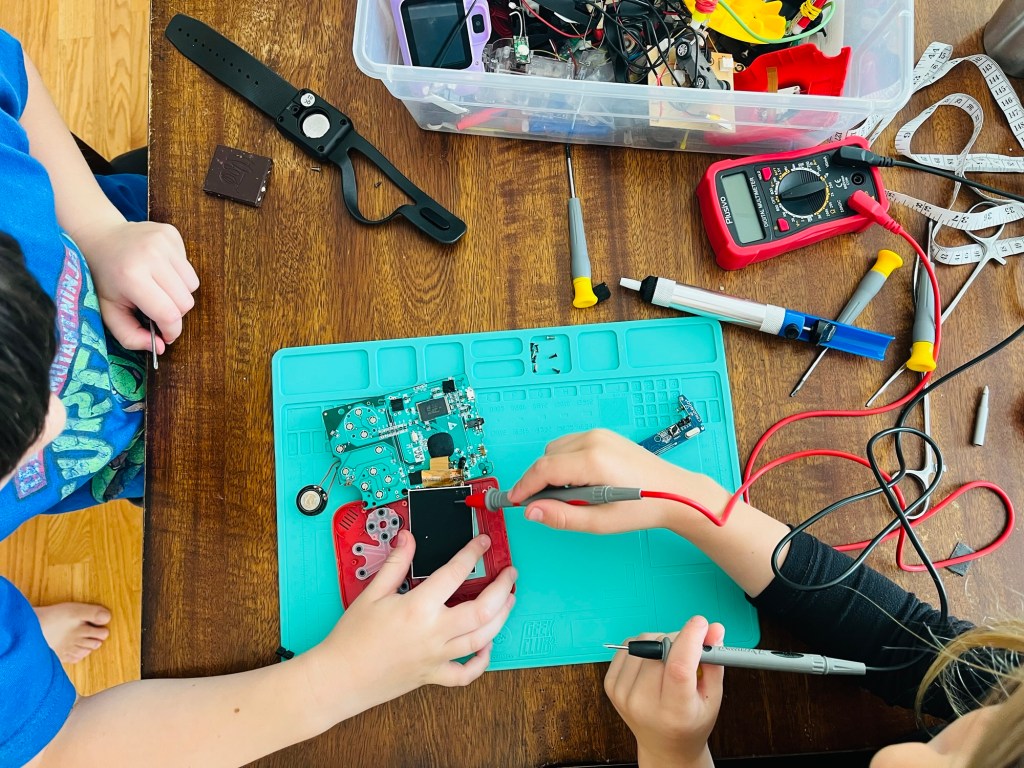
The answer: the same way they’ve always learned—from curiosity, practice, and guidance. My eight-year-old is currently studying the periodic table for fun. He devours books. He loves history, museums, and research. And I never have to test him to “prove” he’s learned something—I know because he doesn’t stop talking about it.
Homeschooling lets us keep learning joyful instead of stressful. No rushing out the door tired and overstimulated. No teaching to a test. Just kids with time, space, and support to love learning.
Real Life Skills
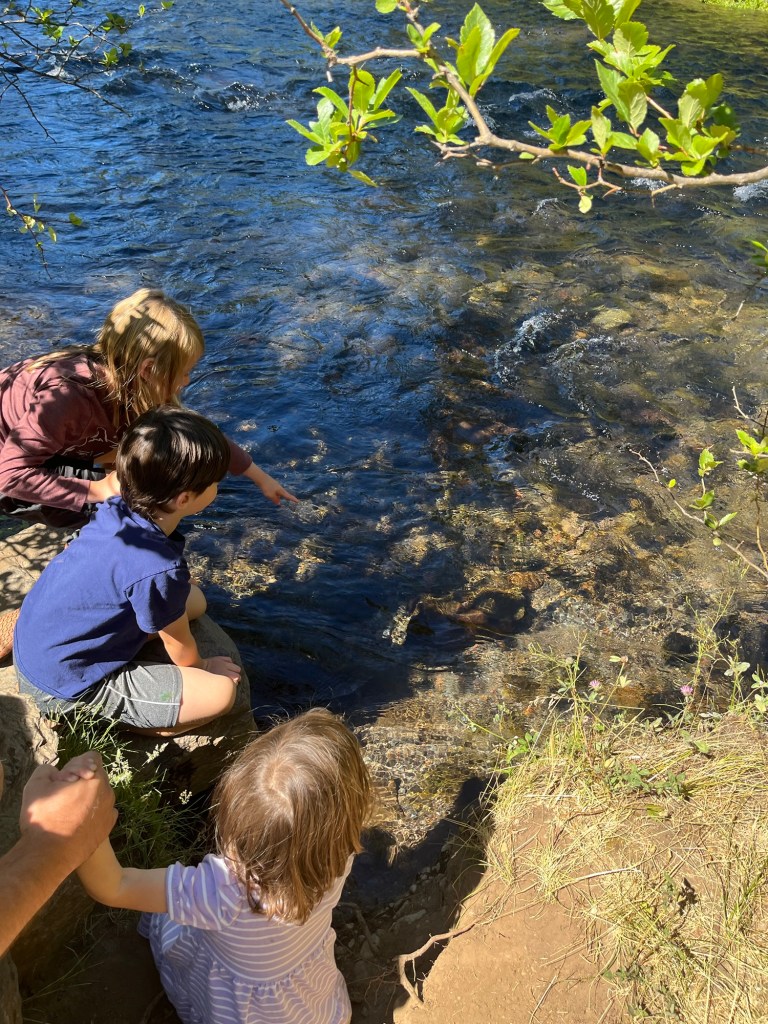
My kids don’t just sit at desks—they feed chickens, garden, cook, do chores, and help care for siblings. Hard work doesn’t have to come from worksheets. It comes from life.
And the evidence backs it up: research shows homeschoolers often score higher than average on standardized tests and are sought after by colleges for their independence and motivation.
Breaking the Cycle
Part of my conviction comes from my own story. I grew up in public school, where I faced peer pressure, bullying, and uninspiring classrooms. I felt like my childhood was wasted—just “putting in time” until I could finally study what I wanted.
I don’t want that for my kids. I want them to think. To question. To explore. To live childhood as more than a holding pattern.
Quick Scripts for Handling “Concerns”
If you’re just starting out and someone throws their worries at you, here are a few simple ways to respond without getting defensive:
“What about socialization?”
“Oh, our kids are very social—sports, friends, co-ops, family. And they’re learning kindness and boundaries from adults, not just peers.”
“Are you qualified to teach them?”
“I don’t have to know everything—I just have to know how to guide them, find resources, and encourage their love of learning. And that’s exactly what I do.”
“Aren’t you worried they’ll fall behind?”
“Actually, research shows homeschoolers score above average. But more importantly, my kids love learning, and that’s what will carry them forward.”
“I could never homeschool.”
“That’s okay—you don’t have to. But it’s been the best choice for our family.”
Every parent makes choices they believe are best for their kids. I don’t question other parents for choosing public school, even though I chose differently. I simply hope for that same respect back.
Even my own mom was skeptical when we started. Now, five years in, she tells me how fortunate my kids are and how smart, motivated, and kind they’ve become.
Homeschooling is not about proving ourselves to critics—it’s about protecting childhood, nurturing curiosity, and raising kids who know who they are.
Confidence comes when you stop needing everyone else’s approval and start trusting your own vision for your family.
If homeschooling sounds right for you, don’t let the ignorance of others stop you. Confidence comes with time—but you can start building it right now.
 A Bowl Full of Learners
Leave a comment