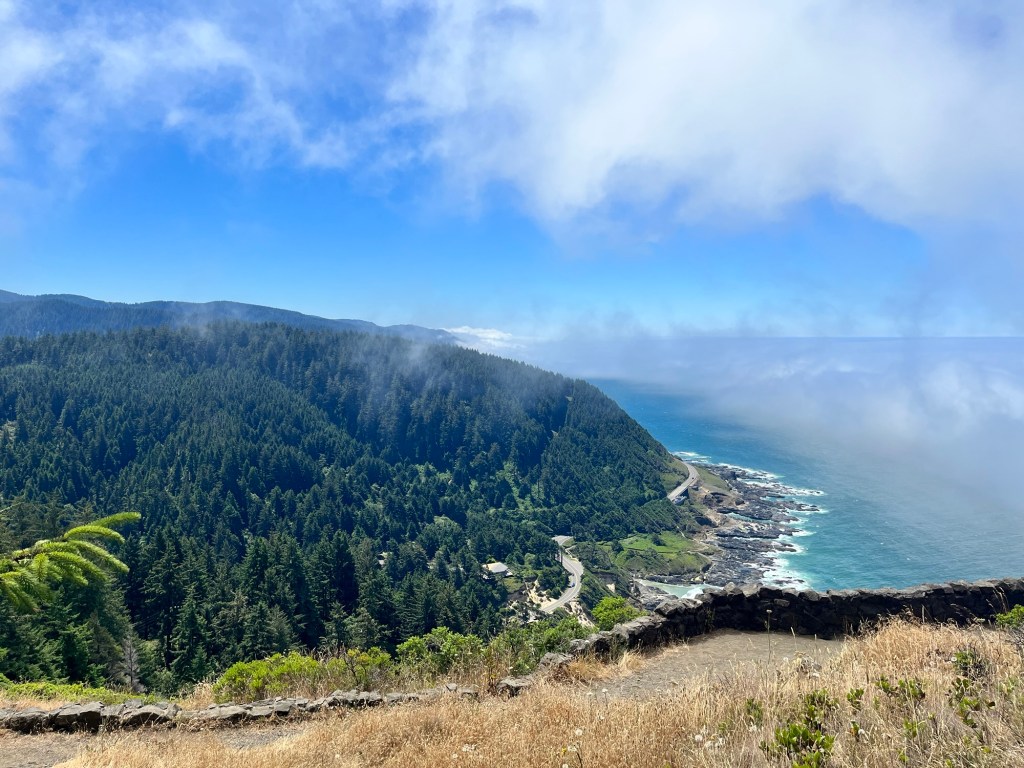
You don’t necessarily need a big budget to give your (homeschooled or not) kids incredible, real-life learning experiences. In fact, some of our most memorable field trips and “vacations” have been simple, thoughtful, and surprisingly affordable. It’s all about being intentional and creative.
Here’s how we make homeschool travel work—without draining our wallet:
1. Use Hotel Points, Campgrounds, and Cabins
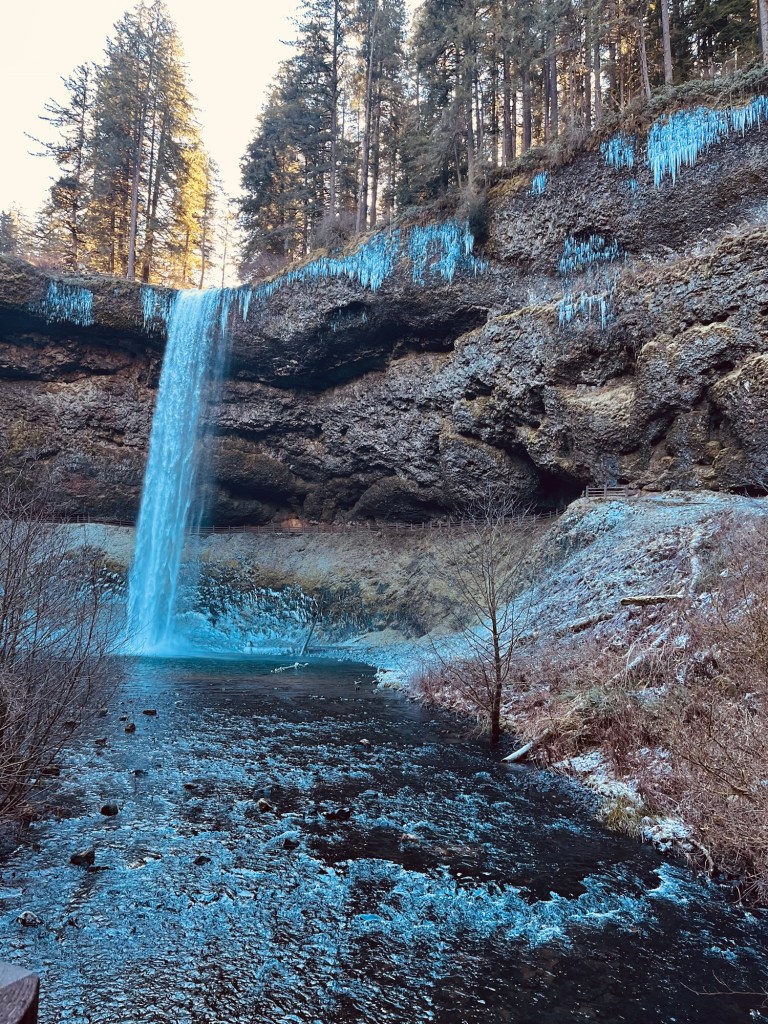
We stretch our travel budget by using credit card and hotel rewards points whenever we can. For outdoor adventures, we often choose campgrounds or simple cabins. Not only are they more affordable, but they also give the kids hands-on nature experiences right outside the door. More often than not, those rustic stays end up being their favorite part of the trip.
Another budget-friendly idea that takes less planning (and allows for more sleep—yay!) is sticking with day trips. With four kids, I’ve been amazed at how much fun we can pack into a single day by driving just 2–3 hours away from home and back. By the time we get home, the kids are ready for bed, and as a bonus, we all get to sleep in our own beds!
2. Pack Your Own Healthy Snacks and Meals
Eating out adds up quickly, so we always pack a cooler with nutritious snacks, sandwiches, and easy meals. It not only saves money but also keeps our kids fueled for learning adventures—without the sugar crashes or restaurant meltdowns. Sometimes, I even schedule a grocery pick-up along the way or at our destination, which saves both time and money.
3. Travel Off-Season and Midweek
One of the biggest homeschool perks is flexibility. We travel during the week and in off-peak seasons.
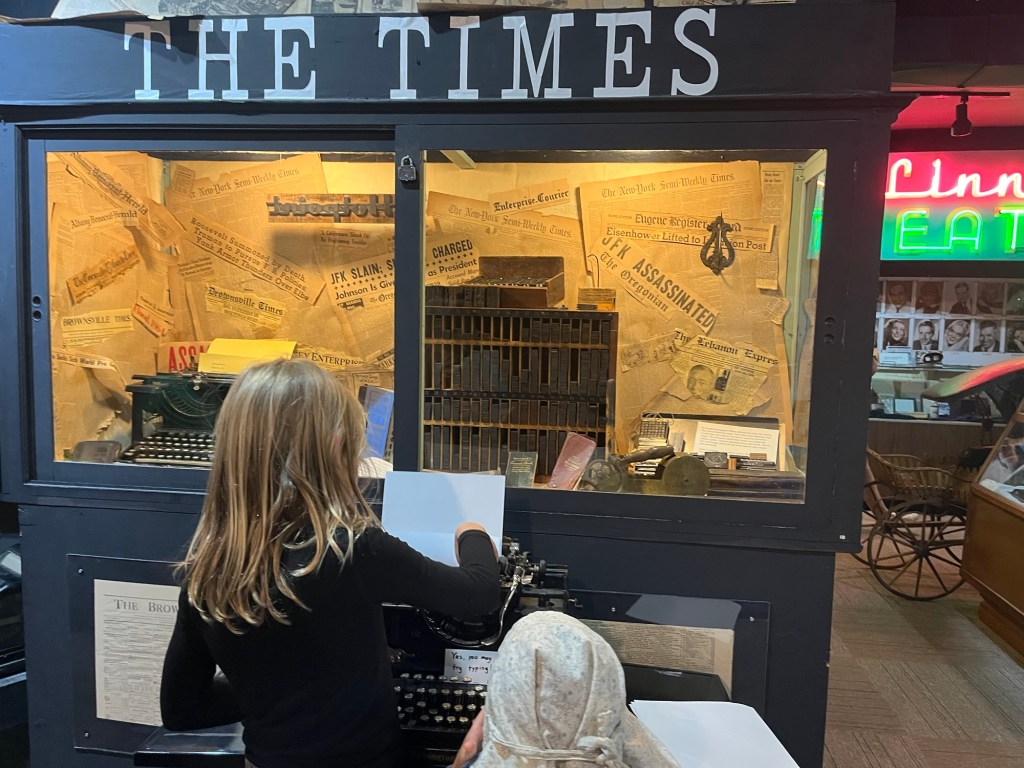
It’s incredible how often we’ve had entire museums, parks, even special exhibits all to ourselves just by avoiding weekends and holidays. Less crowds, lower prices, and more immersive learning!
4. Start Close to Home (and Expand as They Grow)
One thing we’ve learned is you don’t have to travel far to find amazing experiences. When our kids were younger, we kept our trips close to home, discovering local gems we’d never explored before.
As they’ve grown older (and road trips become less chaotic), we’ve slowly expanded our radius, taking on longer trips- like our upcoming 16 day road-schooling trip!
5. Free (and Unexpected) Local Festivals
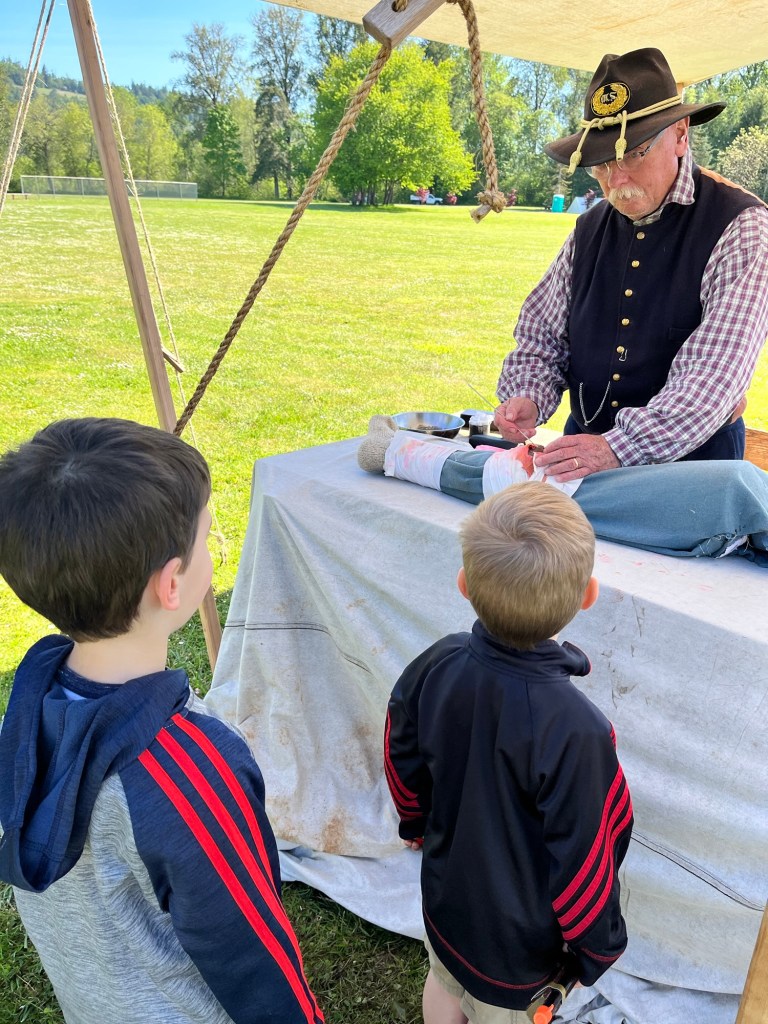
Some of the best learning experiences happen at local events and community gatherings. Last year, we found several free or low-cost events. We went to art fairs, farmers’ markets, science expos, Civil War reenactments, and even a Scottish festival complete with the Highland Games! Each outing sparked curiosity and questions, turning simple day trips into fun dives into history, science, and the arts. This, to me, is proof that learning can happen anywhere!
6. Library, Educational Podcasts, and DIY Activities
We prepare for trips by checking out library books, downloading educational podcasts, and printing coloring pages or activity sheets related to our destination.
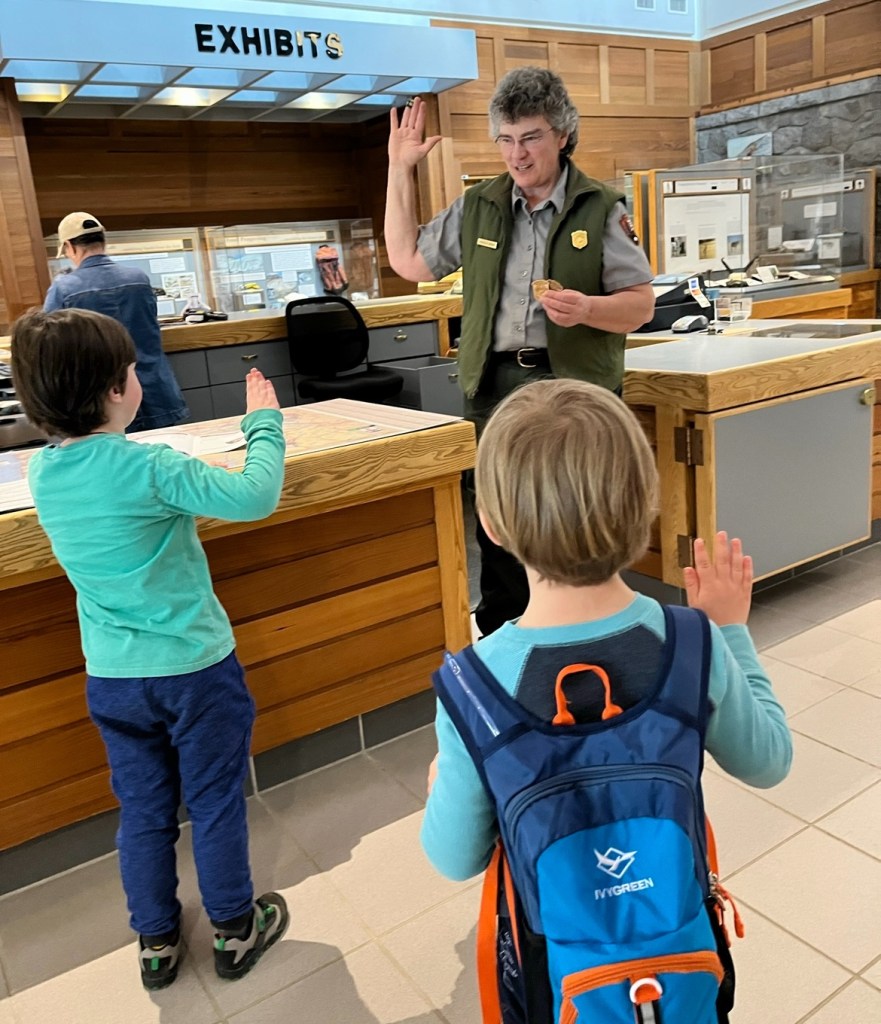
State or national parks Junior Ranger Programs are so fun. Many offer free printables online or on-site which adds an extra layer of learning during field trips. Extra bonus: Jr Ranger programs usually reward kids with a badge!
We also look for documentaries or other educational resources on YouTube to explore before and after our visits. Sometimes, I create a personalized learning packet to encourage even deeper exploration of the topic we’re studying.
8. ASTC passport program.
Buy a family museum membership for the year at some of your local musuems and get access to hundreds of museums across the country. This is great for traveling families! More info here!
9. Every kid outdoors program
4th graders and their family get free access to hundreds of parks, lands, and waters for an entire year. Homeschooled 4th graders included!
https://everykidoutdoors.gov/index.htm
Budget-Friendly Homeschool Travel Isn’t About Sacrifice—It’s About Intentionality
Every trip, no matter how small or local, can be a rich learning experience with a little creativity and planning.
The key is focusing on experiences over extravagance. Sometimes what our kids remember most isn’t the fanciest hotel or the priciest attraction.
It’s the hands-on moments, the stories, and the time spent learning together as a family.
 A Bowl Full of Learners
Leave a comment