
As a nurse, I’ve spent years teaching patients and families about care, balance, and healing. And as a mom, I pour those same lessons into my kids every day.
But here’s the truth: even two nurses under the same roof can struggle when it comes to caring for each other emotionally.
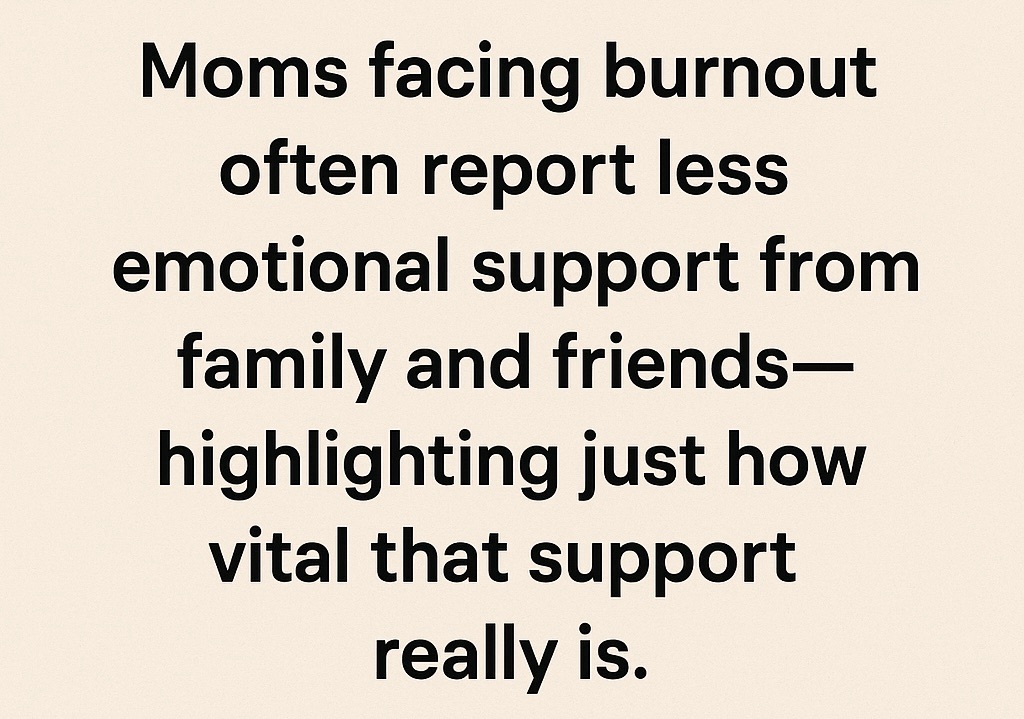
If you’ve ever felt alone, unseen, or unsupported in your parenting—even when your spouse “helps” physically—you’re not broken. You’re not ungrateful. And you’re definitely not alone.
What’s the Difference Between Physical Help and Emotional Support?
Physical help is when your partner washes dishes, changes diapers, or handles bedtime routines.
Emotional support is when your partner truly shows up with you—carrying the weight, not just standing beside you.
Without emotional support, even the most “helpful” spouse can leave you feeling like the entire parenting burden rests on your shoulders.
How Emotional Support Can Change Parenting
Emotional support helps parents manage stress, stay patient, and respond to their children with empathy, creating a calm and consistent environment. It also models healthy emotional regulation, strengthens parent-child connection, and builds children’s sense of security and trust.
Here are practical ways a partner can make a real difference:
-Listen First, Fix Later
Sometimes you just need to be heard. A simple, “That sounds really hard. I hear you,” can go a long way.
-Share the Mental Load
Instead of waiting for you to ask, take initiative: “I’ll handle bedtime tonight—why don’t you rest?”
-Step Into Discipline as a Team
Kids learn consistency when both parents enforce rules: “Mom and I agree—this is the rule.”
-Offer Reassurance
Words like “You’re doing a great job. I see how much you’re carrying” refill your emotional tank.
-Protect Your Rest
Giving you uninterrupted time—without guilt—is just as important as any chore done. “I got this, go have you-time!” And not “okay you can go.”
-Check In Daily
Five minutes of “How are you really doing?” builds connection and reduces loneliness. Problem-solving together builds supportive feelings. It creates teamwork, trust, empathy, open communication, confidence, and emotional safety—turning challenges into opportunities for connection.
Why Emotional Support Matters
Without adequate emotional support, partners can slowly become resentful. Resentment in a relationship doesn’t just stay between partners—it seeps into parenting. Less patience, less inspiration, less joy.
When emotional needs are met, parents feel steadier, kinder, and more capable. Kids notice the difference, too—they thrive when home feels emotionally safe.
You Are Not Alone
Even as a nurse, I’ve struggled here. My husband and I have learned (and relearned) that physical help alone isn’t enough. Emotional connection and support is what actually lightens the load.
If you feel burdened, exhausted, or unseen, I want you to know this: you are not failing. You are human.
Because parenting isn’t meant to be done on willpower alone. It’s meant to be shared, heart to heart.

Signs Your Emotional Needs Aren’t Being Met in Parenting:
-You feel drained even after your partner “helps.”
-You handle most discipline and planning alone.
-You feel unseen or unheard in daily parenting struggles.
-You notice growing resentment toward your spouse.
Simple Actions to Ask For Support:
-Ask for a 5-minute check-in daily with your partner to stay on the same page about parenting choices.
-Invite your spouse to take the lead on one parenting task each day—for example, preparing meals, bedtime routines, or teaching the kids something new. Alternatively, dividing responsibilities—such as having one partner handle all doctor and dentist appointments—can unexpectedly lighten the load and create a smoother family rhythm.
-Ask for acknowledgment of your efforts—words truly matter. Fostering a culture of gratitude and appreciation can strengthen relationships and make daily contributions feel seen and valued.
-Schedule a mini “break” where your spouse fully takes over for you. We take turns doing this in our home and it has been life changing!
-Learn about emotional needs and how to meet them together. You may be surprised and how much lighter life feels when you feel both Seen and Supported!
Parenting is tough, but you’re doing an amazing job. By reading this, you’re showing your capacity to grow, to learn, and to meet your children with patience, love, and understanding—and I hope these words help lighten the load and ease the burnout that can come with motherhood.
Interested in more about emotional needs? Check out my book! A practical guide to understanding core emotional needs and simple, effective ways to meet them for yourself and the people you love.
 A Bowl Full of Learners
Leave a comment