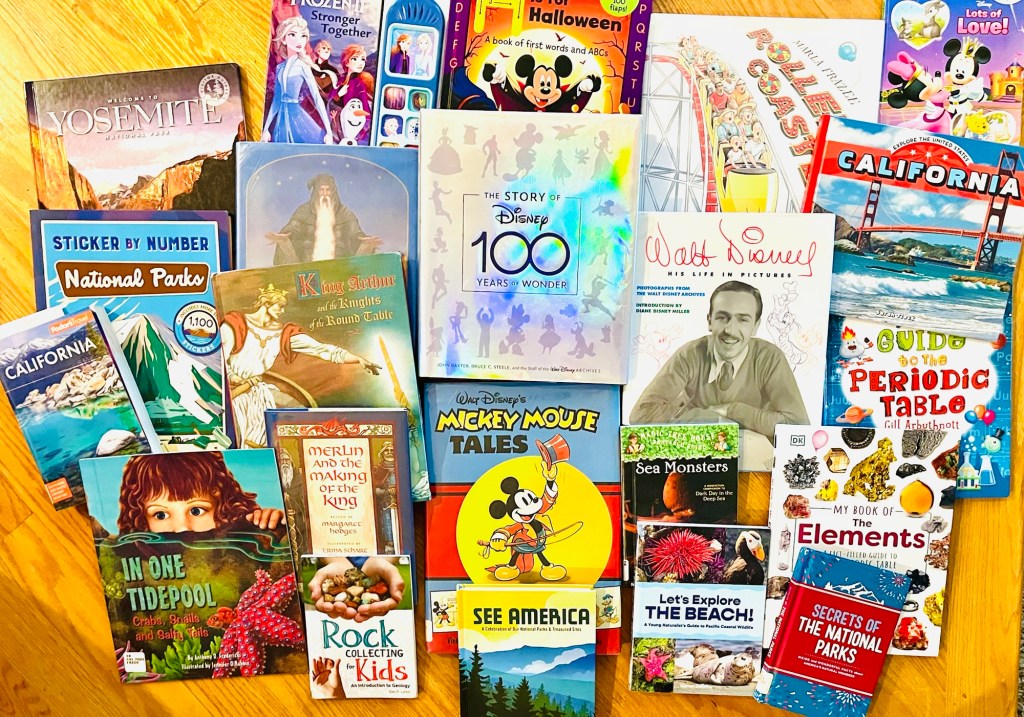
Some people see a road trip as a break from school.
We see it as school in motion — history in the landmarks, geography on the map, and science in every critter, cloud, and canyon we see.
When kids learn about a place before visiting, their brains build bridges between what they already know and what they’ll experience — and that sticks. Research shows that students with prior knowledge on a topic consistently remember more than those with the same exposure but less background.
If you’re planning a trip, here’s how to turn it into a rich, multi-subject learning experience before you even buckle up.
Step 1: Let the Kids Be Your Co-Planners
Before you hit the road, invite your kids into the trip planning.
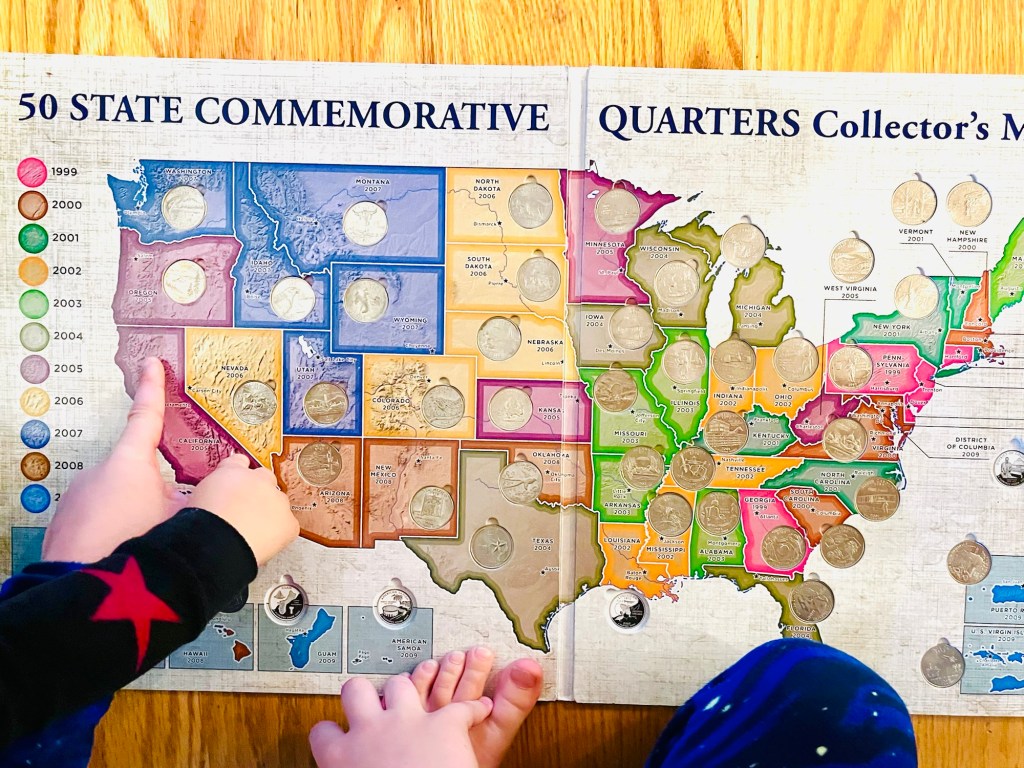
-Map Skills: Show them the route and let them trace it.
-Decision-Making: Give them two possible sightseeing options and let them choose.
-Estimation: Have them guess how many miles you’ll travel and how many hours you’ll be in the car. Bonus- calculate how many gas stops will be needed, miles per tank of gas you’ll get, etc.- the sky’s the limit on math options here!
Why it works: This makes them feel invested in the trip and builds critical thinking before you even leave the driveway.
Step 2: Dive Into Destination Research
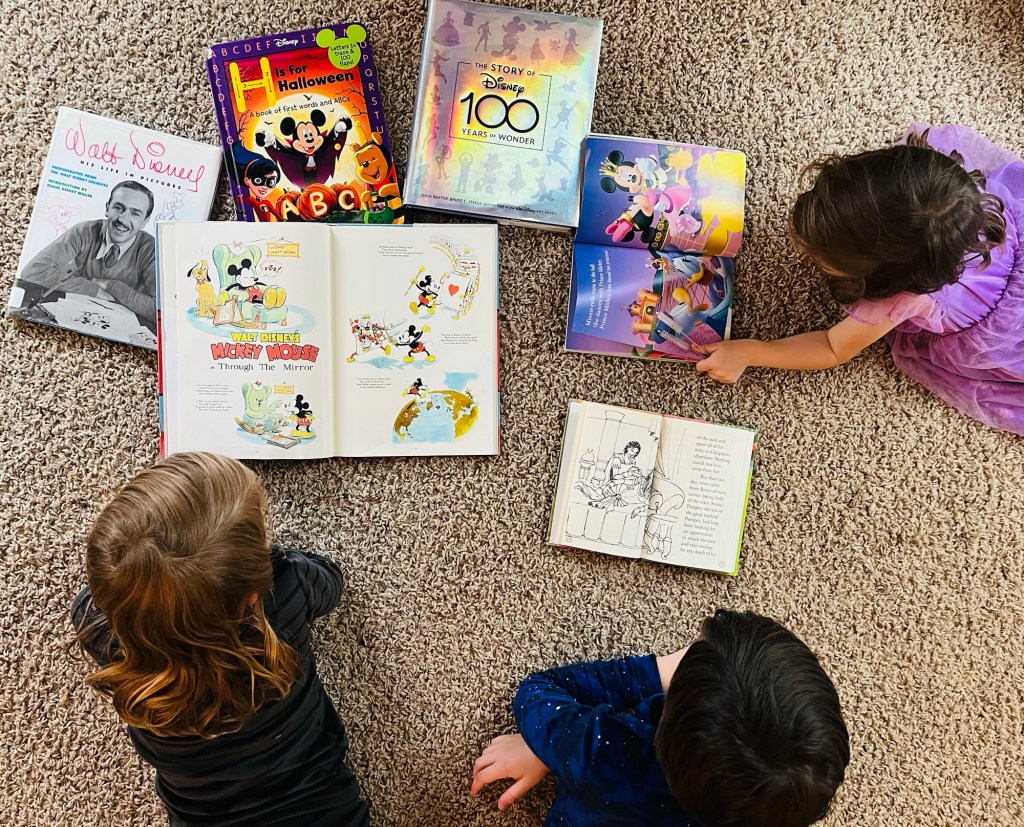
Once you know your stops, spend a week or two (or more!) learning about them.
Read a short history of each city or landmark. Look up unique foods, animals, or natural features you might see. Watch documentaries or YouTube clips about the area.
Bonus idea: Make a “trip binder” with a page for each location, filled with fun facts and photos to check off when you see them.
Step 3: Pack Your Learning Tools
The right supplies make learning on the go much easier:
-Sketchbooks and colored pencils.
-A travel journal for daily notes. Field guides for birds, plants, or geology.
-A clipboard for car-friendly worksheets. Camera or tablet for taking photos (great for post-trip projects).
-Pre-downloaded audiobooks that relate to the journey or destination are always a hit for our family!
Step 4: Road Trip Learning Games
You can make simple activities that work in the car:
-License Plate Map: Color in each state you spot.
-Roadside Math: Calculate miles per gallon or average speed.
-Alphabet Hunt: Find road signs starting with each letter.
Stay tuned for my fully assembled road trip pack!
Step 5: Set Gentle Learning Goals
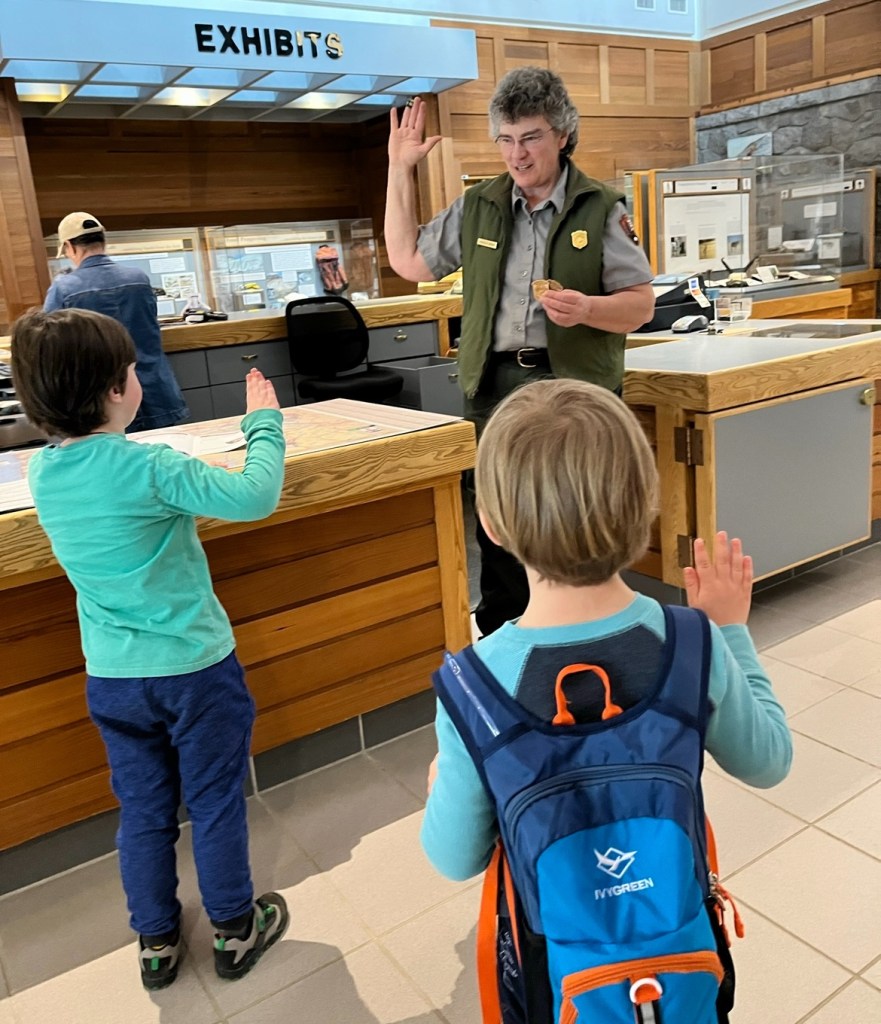
Don’t overload your trip. Choose a few focus areas — like geography and journaling — and let the rest happen naturally. Some of the best learning comes from unplanned moments, like chatting with a park ranger, stumbling into a museum full of local history, or spotting rocks and fossils along the roadside.
For our family, the majority of the learning happens before we go — reading, researching, and building curiosity. Once we’re on the trip, the experiences simply cement what we’ve already learned. That way, the journey itself stays about connection and adventure, not about “doing schoolwork” in the backseat.
Final Thought:
When you see your road trip as a moving classroom, every mile becomes a lesson. The prep stage sets the tone, sparks curiosity, and gives your kids the tools to soak up every experience once the wheels start rolling.
📌 In my follow-up post, I’ll share exactly what we learned during each leg of our upcoming 16 day trip and how we turned our memories into a finished unit study.
I hope this guide inspires your family to find learning in every landmark, laugh, and stretch break along the way.
Check out my Homeschool Roadtrip Planner! This printable pack includes checklists and planning pages to help you pack, prep, and plan meaningful road trips with your kids.
✨ “Want a ready-to-go Road Trip Learning Pack for your next adventure? Join my mailing list and I’ll send the full printable pack straight to your inbox as soon as it’s finished — journals, scavenger hunts, and car-friendly activities included!”
 A Bowl Full of Learners
Leave a comment