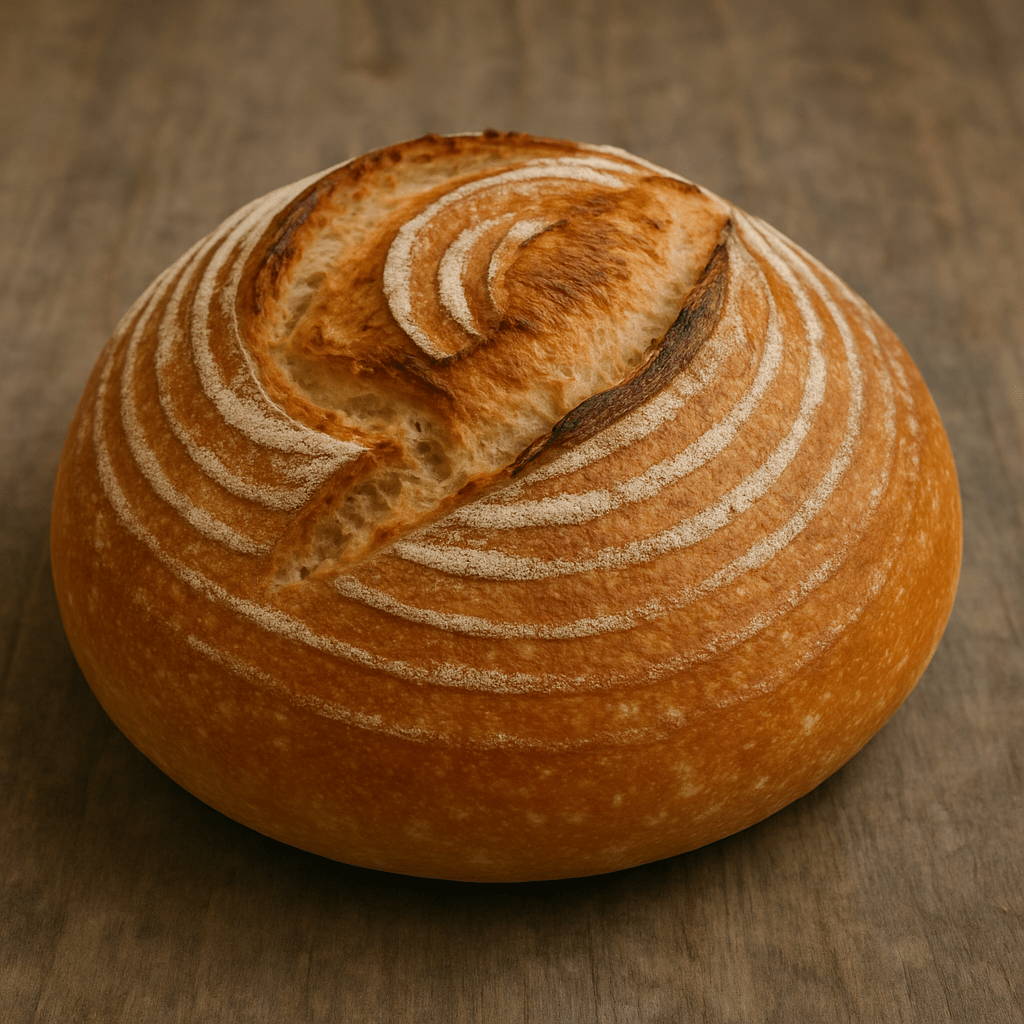
How Sourdough Supports Gut Health in Kids (and Adults Too)
As a nurse and a mom, gut health is something I think about daily. From picky eating to immune function to mood and focus, it all comes back to the gut. And one of my favorite, most accessible tools for supporting digestive wellness? Sourdough.
Yes, bread.
Not just any bread, but the kind that’s slowly fermented with a live culture—sourdough made from wild yeast and beneficial bacteria. It’s food, it’s science, and it’s a surprisingly powerful ally for our digestive and overall health.
Let’s look at the why behind this nourishing tradition, especially through the lens of kids’ health and real family life.
⸻
🦠 Gut Health 101: Why It Matters
The gut is more than a digestion machine. It’s home to a vast microbiome that influences everything from nutrient absorption to immune regulation to brain chemistry.
In kids, a healthy gut can:
• Improve digestion and reduce bloating or discomfort
• Support regular bowel movements
• Strengthen the immune system (70% of which lives in the gut!)
• Contribute to emotional regulation and focus
• Reduce inflammation and food sensitivity risk
• Help develop a palate for real, whole foods
Supporting our kids’ gut health early sets them up for lifelong wellness.
⸻
🥖 What Makes Sourdough Gut-Friendly?
Here’s what makes sourdough a gentle, microbiome-supporting bread:
1. Natural Fermentation Breaks Down Problematic Compounds
• Gluten & FODMAPs: Fermentation begins breaking down gluten and short-chain carbs (like fructans), making sourdough easier to digest for many people with mild sensitivities (not celiac).
• Phytic Acid: This “anti-nutrient” can block mineral absorption. Fermentation reduces it, making iron, magnesium, and zinc more available.
2. Prebiotic Potential
The lactic acid bacteria in sourdough feed beneficial gut flora. These bacteria may not all survive baking, but the byproducts of fermentation (like lactic acid and resistant starch) create a more balanced internal environment for healthy microbes to thrive.
3. Lower Glycemic Load
Because of the fermentation, sourdough bread causes a slower, more stable rise in blood sugar. This supports kids’ energy, focus, and metabolic health throughout the day.
⸻
🧃 Sourdough in Action: Real-Life Gut Support
Here’s what I’ve seen in my home:
• My kids are more open to new foods when sourdough is involved—especially soup, sautéed veggies, or lentil dishes.
• My husband and I, who tend toward digestive sensitivity or bloating after eating other breads, do just fine with sourdough.
• Using sourdough discard in muffins and pancakes means they’re getting fermented flour regularly—even on busy mornings.
• It’s become a natural way to reduce ultra-processed carbs while still offering something delicious and satisfying.
⸻
👩⚕️ From a Nurse’s Perspective
In the clinical world, we know digestive issues in children are rising—constipation, bloating, food intolerances, behavioral shifts linked to gut-brain imbalances. And often, families are told to cut foods out or add expensive supplements in.
But what if we could instead:
• Add real, fermented food back in
• Support the natural breakdown of compounds that cause problems
• Build a foundation of food literacy and kitchen confidence
Sourdough is a practical way to do that. It’s not a cure-all, but it’s a step toward healing and wholeness—and it fits into real life.
⸻
❤️ Why It Matters in a Homeschooling, Health-Conscious Home
Our homeschool kitchen is a classroom. And that means food is both curriculum and care.
When we bake sourdough together, my kids aren’t just learning how to cook. They’re learning:
• How to listen to their bodies
• How fermentation works
• What it means to nourish
• How food can be beautiful, beneficial, and fun
That’s a kind of gut health that goes beyond the digestive tract. That’s wholeness.
⸻
Find my sourdough recipe here!
🌟 Coming Up Next:
Sourdough & Sensory Memory — Why the Smell of Bread Feeds More Than Our Bodies
We’ll explore how sensory-rich kitchen moments shape your child’s brain, mood, and sense of safety—and how sourdough creates those experiences like nothing else.
 A Bowl Full of Learners
Leave a comment