This post contains affiliate links. As an Amazon Associate, I earn from qualifying purchases—at no extra cost to you. Thank you for supporting A Bowl Full of Learners!
“Mom, I made a mistake,” he said quietly, his eyes filled with hesitation and fear.
Definitely not something I expected my six-year-old to say to me with such maturity and vulnerability.
“I scratched the paint on the new wall you just painted.”
I paused. My gut reaction could’ve been frustration, disappointment, even anger. But something inside me knew—this was a moment that mattered. A moment I’d probably never forget. And a moment he would carry with him too.
Because how I reacted in that small but meaningful instant would shape the kind of relationship we would have not just today, but for years to come.
I took a deep breath and knelt beside him.
“I’m so thankful you came to talk to me about this. That takes a lot of courage. How do you feel?”
He told me he felt disappointed because he knew how much time I spent painting the wall. But it was an accident.
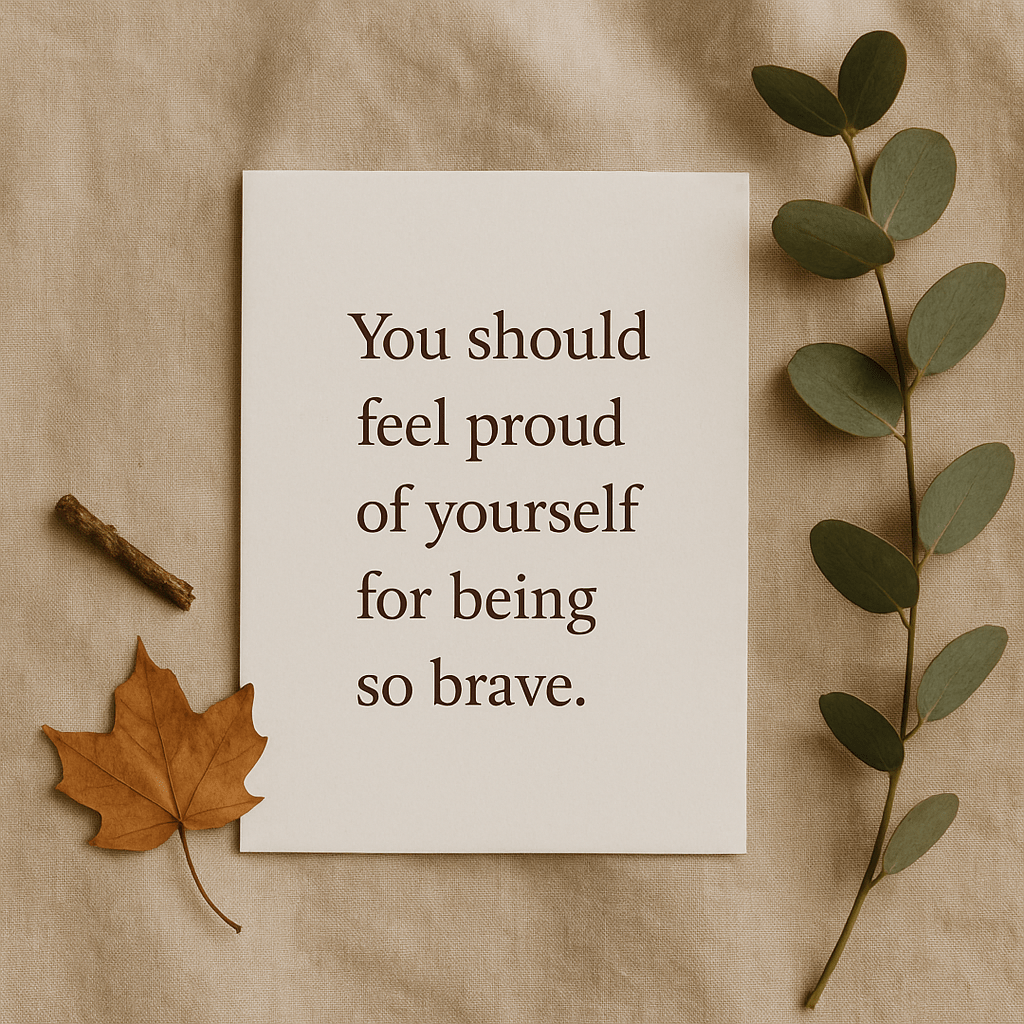
“I’m not worried about the wall, honey. Thank you for telling me. You should feel proud of yourself for being so brave.”
He paused, then smiled. “Yeah, I guess I am proud.”
Then he showed me the tiniest scratch I probably never would’ve noticed.
I almost laughed—but I held it in, because it wasn’t about the wall. It was about the trust we were building.
Just days earlier, a similar moment happened with our spirited six-year-old, a sharp stick, and a brand-new shade pop-up… and now a nice hole to go with it. We encouraged him to tell his dad, and he did. My husband stayed calm and just said, “Okay.” Not as eloquent, maybe, but still powerful. Our kids are starting to understand something essential: in our family, honesty matters more than perfection. And accountability is something to be proud of, not afraid of.
Why These Moments Matter
Research tells us that trust and emotional safety are at the heart of meaningful parent-child relationships. Children who feel safe owning their mistakes and expressing their emotions are more likely to develop emotional intelligence, stronger moral reasoning, and better long-term decision-making skills.
According to Harvard University’s Center on the Developing Child, positive, responsive relationships are foundational to brain development. When children feel seen, heard, and safe—even in their mistakes—they develop a sense of internal security that carries with them through adolescence and into adulthood.
And according to psychologist Dr. Laura Markham, author of Peaceful Parent, Happy Kids, “Discipline should be about teaching, not punishment.” When we stay calm and connected, we teach our children that mistakes are part of learning—not something to hide in shame.
Building Accountability Without Shame
Kids don’t learn accountability through lectures or punishments. They learn it through modeling, through connection, and through a sense of safety in admitting when they’ve messed up. They need to know that their worth isn’t tied to being “good” or mistake-free—but to their honesty, their effort, and their willingness to learn and grow.
We are intentional in our home. Not perfect—but intentional.
We want our kids to grow up knowing they can come to us with anything. That their voices matter. That we’ll be their safe place—whether they’re six years old and scratching a wall or sixteen and facing something much heavier.
The Invitation: Choose Connection First
Maybe this week your child breaks something, lies about something, or says something that rubs you the wrong way. Take a breath. Step into that moment with intention.
Instead of reacting with frustration, ask yourself: What lesson do I want them to take from this? Do I want to raise a child who hides mistakes—or one who feels safe enough to own them?
These moments—tiny as they may seem—are the building blocks of lifelong trust.
Let’s raise brave, honest, accountable kids—one little scratch on the wall at a time.
With love,
A Bowl Full of Learners
 A Bowl Full of Learners
Leave a comment